
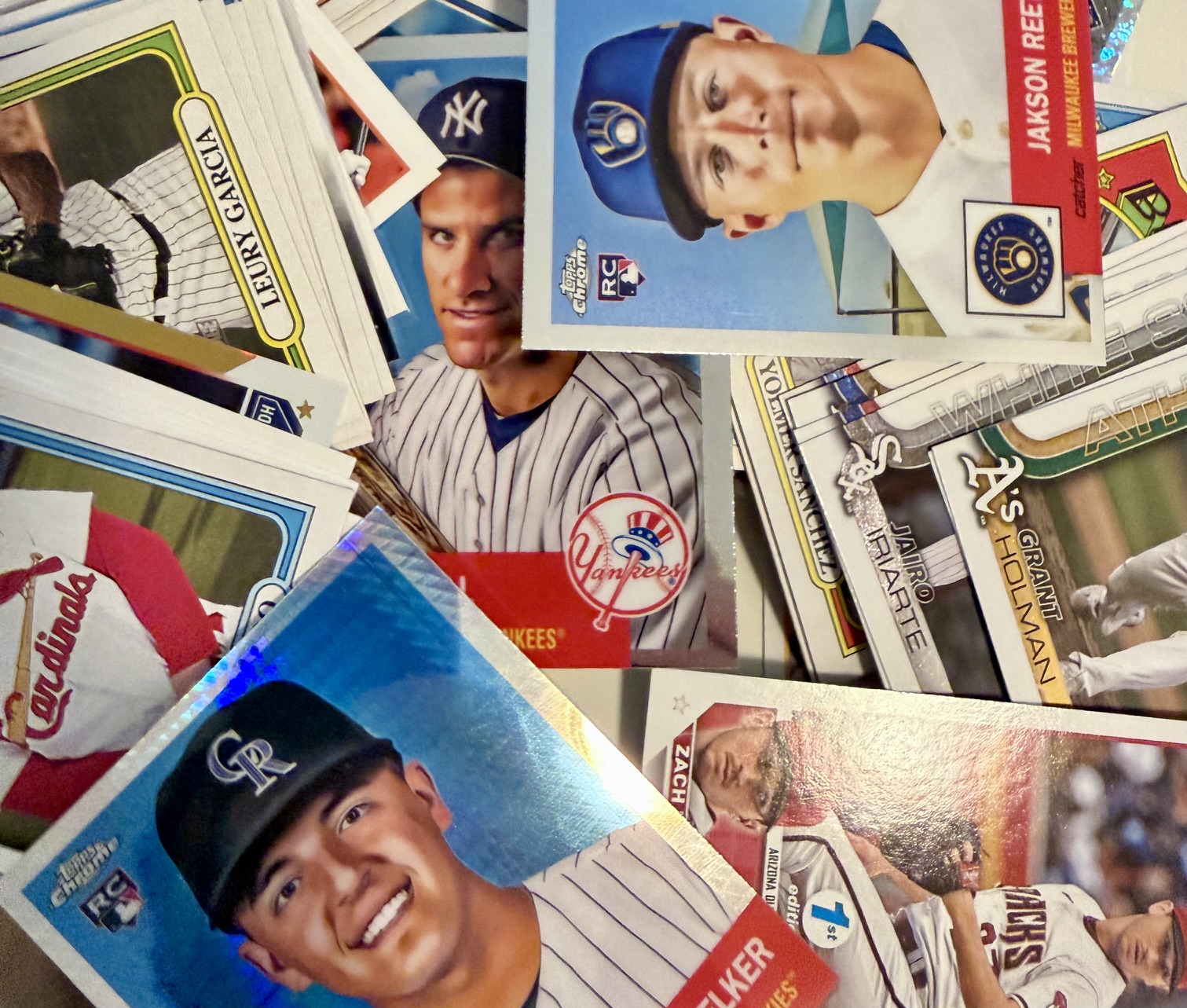
If you ask experienced collectors what makes sports cards so fascinating, very few will start by talking about money. Most remember the player first. A Mickey Mantle card reminds somebody of baseball’s golden era. A Michael Jordan rookie represents the NBA of the 1980s and 90s. Younger collectors may feel exactly the same way about Shohei Ohtani or Victor Wembanyama. The cardboard is simply the vehicle. What people are really collecting is a career, a memory or sometimes an entire generation of sport.
The Evolution of Trading Card Asset Classes
That also explains why sports cards have changed so dramatically over the last twenty years. They are no longer just pieces of cardboard with a photograph on the front. Today’s market includes highly specific segments:
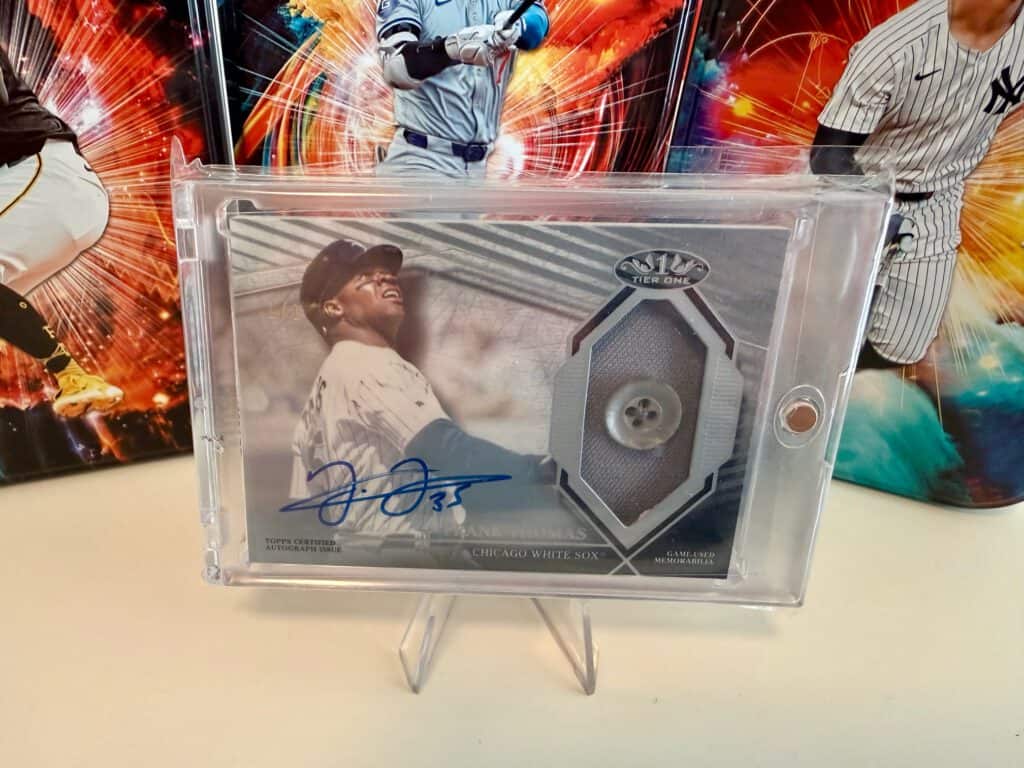
- Autographs and Game Used Patches: Premium releases that look more like works of art than traditional trading cards.
- Serial Numbered Parallels and One of One Cards: Premium editions where rarity is mathematically enforced.
Some collectors focus entirely on vintage baseball. Others collect nothing but rookie cards. Many never leave one sport. There isn’t one sports card market anymore. There are dozens of smaller hobbies living under the same roof.
Categorization and Market Tiers
One mistake I see quite often is people treating every card as if it belongs in the same category. It doesn’t. A base card isn’t comparable to a numbered parallel. A rookie card isn’t automatically the most desirable card of a player. Some collectors would rather own a rare insert than a common rookie, while others only buy cards that have been professionally graded. Understanding those differences is far more important than simply following auction prices.
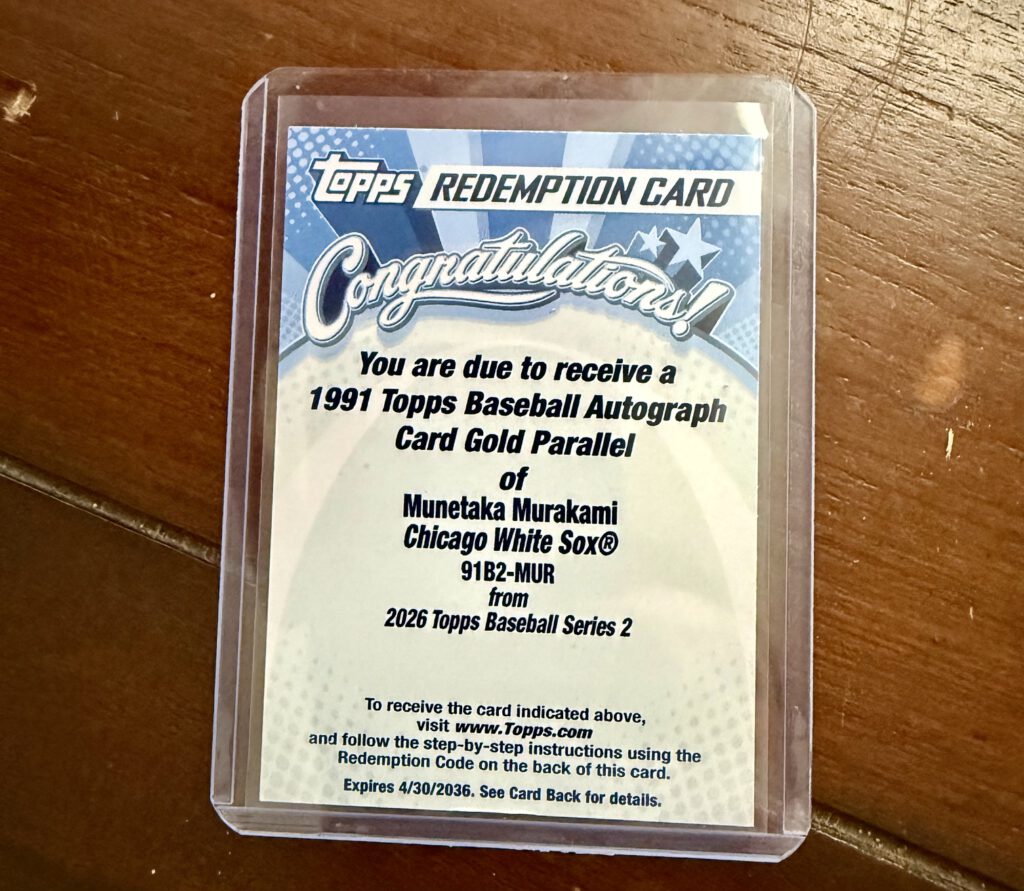
The same applies to manufacturers. Topps, Panini, Bowman and Upper Deck have all shaped the hobby in different ways. Some products become classics, others disappear after only a few years. That’s part of what makes collecting interesting. The market never really stands still.
Why Do Some Sports Cards Sell For Millions?
Every collector remembers the first time they saw a sports card sell for an absurd amount of money. For some it was the Mickey Mantle 1952 Topps. Others remember LeBron James Exquisite Rookie Patch Auto or the one of one Shohei Ohtani Superfractor. Those sales always trigger the same question: what makes one piece of cardboard worth more than a Ferrari?
Scarcity vs. Athlete Legacy
Scarcity obviously matters. A one of one card can only have one owner, but scarcity alone doesn’t create value. Every manufacturer could print a one of one of an average player tomorrow and nobody would suddenly pay six figures for it. Collectors first have to care about the athlete.
That’s where I think many newcomers misunderstand the hobby. They assume every superstar will eventually become a great collectible. History says otherwise. Every few years the market falls in love with the next big rookie, the next MVP or the next World Cup hero. Some of those players become hobby icons. Many don’t. The difference usually only becomes obvious years later.
The same applies to Hall of Famers. You might expect every all-time great to attract the same collector demand, but that’s simply not how the market behaves. Some players become hobby favourites for decades, while others with almost identical careers remain surprisingly affordable. Statistics are part of the story. Nostalgia, personality and timing usually finish it.
The Hierarchy of the Card Architecture
The card itself matters just as much. Collectors don’t simply ask whether a card is rare. They ask whether it’s the card.
- Rookie Designations: Is it the player’s recognised rookie or the first Bowman?
- Card Technology: Is it a Chrome parallel or an on card autograph instead of a sticker? Does it include a game used patch?
The hobby has developed its own hierarchy over decades, and once you understand it, many auction results suddenly become much easier to explain.
Another mistake I see quite often is people assuming expensive automatically means important. It doesn’t. There are plenty of modern cards selling for extraordinary prices because the player is at the height of his career. Whether those prices still make sense fifteen or twenty years from now is a completely different question. The hobby has a long history of correcting expectations once careers are over.
That’s probably why I spend less time asking whether a card is expensive and more time asking why collectors want it in the first place. That second question usually tells you far more about the market than any auction record ever could.
Rookie Cards Are Just The Beginning
Ask ten collectors which card of a player they want most and you’ll probably get ten different answers. For newcomers the answer often seems obvious: buy the rookie card. It’s the first card, so it must be the most valuable. The reality is far more complicated.
The rookie card has always held a special place in the hobby because it captures the beginning of a career. Before the championships, before the records and before the Hall of Fame discussions, there was simply a young player with enormous expectations. Sometimes those expectations are fulfilled. Sometimes they aren’t. That’s why buying rookie cards often means buying potential rather than legacy. That doesn’t mean rookie cards are always the best cards.
Prospecting and Modern Parallels
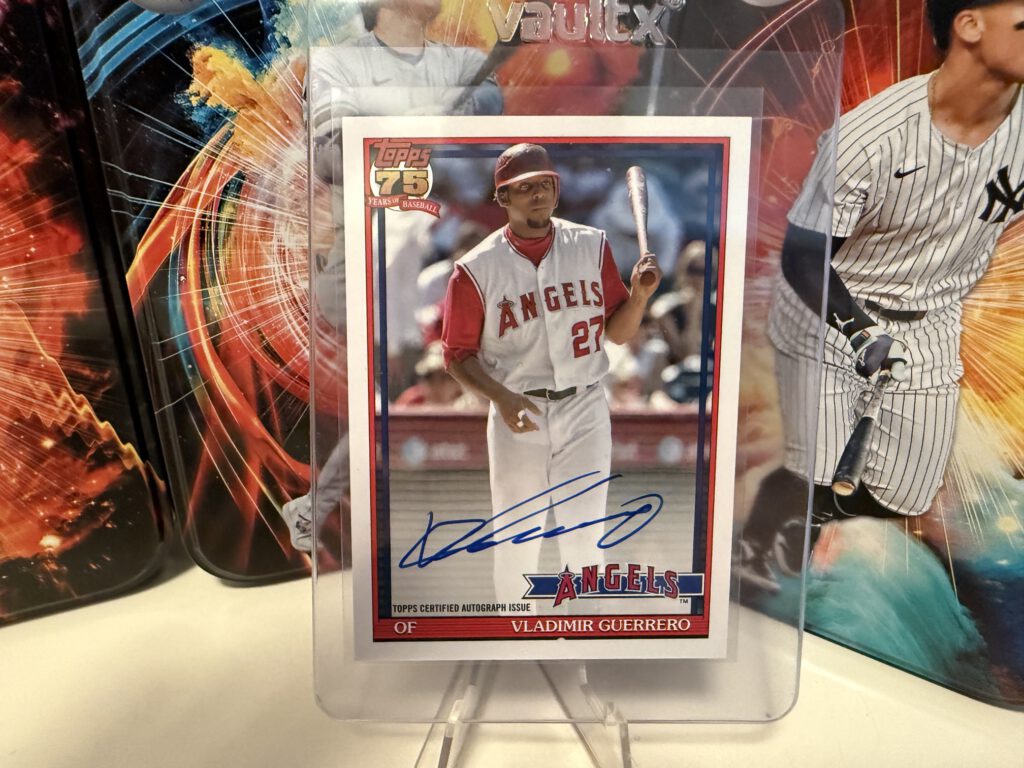
Baseball collectors know this better than anyone. A player’s First Bowman often attracts just as much attention as his official rookie card, sometimes even more. Prospect collectors have been chasing future stars years before they reach the Major Leagues, hoping to identify the next Shohei Ohtani or Aaron Judge before everyone else catches on.
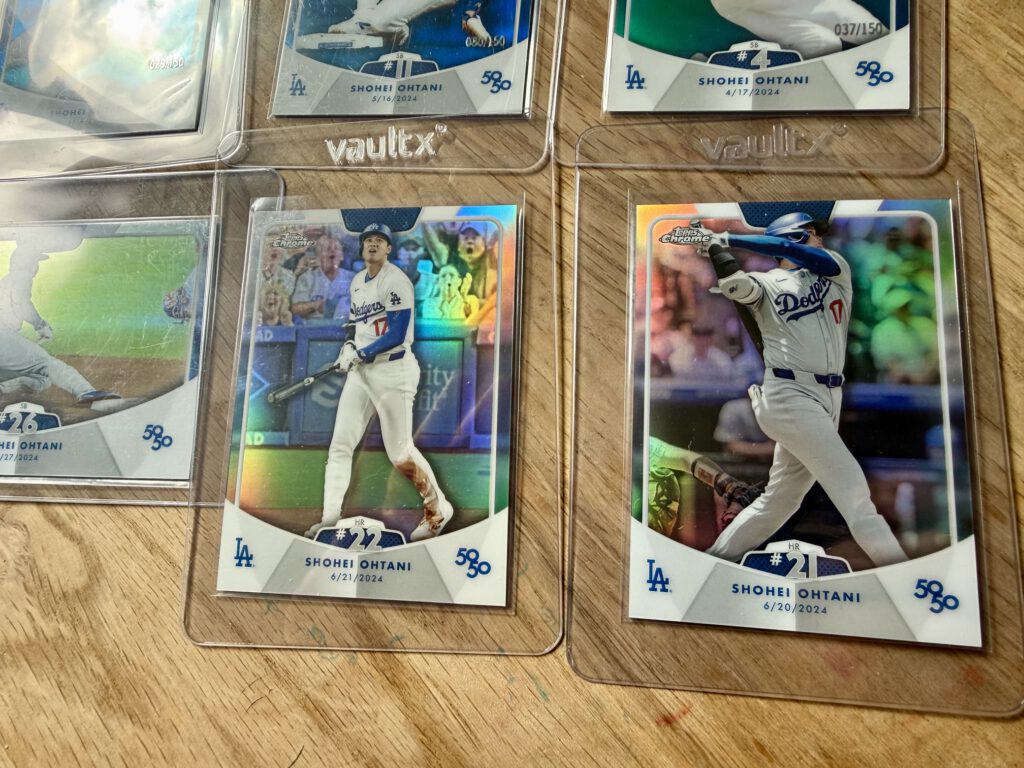
Then there are inserts, coloured parallels, low numbered refractors, on card autographs and patch cards. Some are produced in tiny quantities. Others only look rare until collectors realise thousands of different parallels exist across multiple products. Modern collecting has become far more complicated than simply finding the oldest card.
Contextualizing Flagship Releases
That’s one reason I would never tell somebody to buy a card simply because it says “Rookie Card” on the front. Context matters. Which product did it come from? Is it licensed? Is it numbered? Is it considered the player’s flagship rookie, or is it just one of dozens released in the same season? Those are the questions experienced collectors ask before they even think about the price.
The same player can have hundreds of different rookie year cards, yet the hobby usually settles on only a handful that really matter. That process isn’t decided by manufacturers. Collectors decide it over time. Some products develop almost legendary status, while others quietly disappear despite being printed in the very same year.
That’s probably the biggest lesson here. Sports cards don’t become iconic because somebody tells collectors they should. They become iconic because, over many years, the hobby collectively decides that certain cards represent a player’s career better than all the others.
Card Grading Changed The Hobby Forever
If you had asked collectors thirty years ago whether a tiny difference in the corners of a card could change its value by tens of thousands of dollars, most would probably have laughed. Today it’s completely normal. Grading didn’t invent sports cards, but it completely changed the way people buy, sell and value them.
The basic idea is simple. An independent company examines a card, evaluates its condition and seals it inside a protective holder. In theory that gives buyers confidence because everyone is looking at the same condition instead of relying on photographs or a seller’s description.
The Financial Power of the Condition Grade
Collectors don’t simply buy the player anymore. They also buy the grade. A PSA 10 isn’t viewed the same way as a PSA 9, even though the difference can be almost impossible to spot without magnification. Sometimes that single point doubles the value of a card. Sometimes it increases it tenfold. That’s one of the reasons grading became so influential across the entire hobby.
I also think grading changed collector behaviour. Years ago people bought cards because they wanted them in a binder. Today many collectors buy a card and immediately ask a different question: should I send it to PSA? That shift created an entirely new industry built around submissions, population reports and high grades.
Of course, grading isn’t perfect. Every experienced collector has seen cards they thought deserved a higher grade, while others looked surprisingly generous. That’s part of the reason why collectors still debate grading companies almost every day. Even so, the market has largely accepted graded cards as the standard, especially when significant money is involved.
Strategizing the Slab: When to Grade
Personally, I think too many collectors automatically send everything away without asking the more important question first: does this card actually benefit from grading? Modern base cards printed in huge numbers rarely become more desirable simply because they sit inside a slab. Truly rare cards, iconic rookies and high end autographs are a completely different conversation.
That’s where experience becomes more valuable than excitement. Understanding which cards deserve grading is usually far more important than understanding how grading works.
Are Sports Cards Still Worth Collecting?
Every few years somebody declares the sports card market dead. Usually it happens after prices cool down, prospect cards lose momentum or a speculative boom comes to an end. Then, almost without fail, another generation of collectors arrives and the conversation starts all over again.
I’ve never believed sports cards are a market you can understand by looking only at auction records. If that were true, every Hall of Famer would be expensive, every rookie card would become a great investment and every modern superstar would eventually join Michael Jordan or Mickey Mantle at the top of the hobby. None of those things happen.
Collector Selectivity and Cultural Identity
Collectors are surprisingly selective.
Take baseball as an example. There are dozens of Hall of Famers whose cards remain relatively affordable, while Ken Griffey Jr. continues to attract extraordinary demand decades after his rookie season. Tennis tells a similar story. Roger Federer often outperforms Novak Djokovic despite the record books pointing in the opposite direction. Soccer probably illustrates it best. Every World Cup produces new heroes, but only a handful remain relevant to collectors once the excitement disappears.
[LINK: The Baseball Card Market Doesn’t Reward Every Legend] [LINK: Roger Federer Memorabilia] [LINK: Novak Djokovic Memorabilia]
The same applies to prospects. Every season creates the next player everybody wants before he’s actually achieved anything. Sometimes the hype is justified. Sometimes injuries, form or simply the pressure of professional sport change the entire trajectory of a career. Looking back, it’s remarkable how many “can’t miss” prospects never became hobby icons.
The Longevity of Identity Driven Collections
That’s why I’ve never liked the idea of buying sports cards purely as investments. If financial returns become the only reason for collecting, disappointment is almost inevitable. Markets rise and fall, players get injured, careers take unexpected turns and collectors move on to the next generation much faster than most people expect.
The collections I enjoy most aren’t necessarily the most expensive ones. They’re the collections with a clear identity. Somebody collects nothing but Yankees legends. Somebody else spends years chasing every Roger Federer autograph card. Another collector focuses entirely on Japanese baseball stars. Those collections tell a story, and that’s something no price guide can measure.
Looking ahead, I don’t think sports cards are going anywhere. The athletes will change, manufacturers will introduce new products and collectors will continue arguing about rookies, parallels and grading companies just as they always have. The hobby constantly evolves, but the reason people collect remains remarkably consistent. We all want something that reminds us of the moments, players and seasons we never want to forget.
The Biggest Sports Card Manufacturers
Ask five collectors which company has had the biggest influence on the hobby and you’ll probably hear five different answers. Some grew up opening Topps packs, others only collect Panini products, while baseball collectors often swear by Bowman whenever the next generation of prospects arrives. Every manufacturer has shaped the hobby in its own way, and understanding those differences makes buying sports cards much easier.
Topps and Bowman
Topps is probably the name most people associate with sports cards. For generations of baseball collectors, Topps defined what a rookie card looked like, and products such as Topps Chrome have become benchmarks across the hobby. Even today, many collectors instinctively compare every new release to the standards Topps established decades ago.
Bowman occupies a very different position. Prospect collectors don’t wait until a player becomes a superstar. They want the first recognised Bowman card years before the rest of the hobby catches up. That’s exactly why Bowman has become so influential. Collectors aren’t simply buying today’s stars. They’re trying to identify tomorrow’s.
Panini and Upper Deck
Panini dominates much of the modern basketball and football market. Products such as Prizm, National Treasures and Immaculate have produced some of the hobby’s most desirable modern cards, particularly rookie patch autographs and low numbered parallels. Even collectors who don’t actively follow Panini usually know those product names because they appear so frequently in major auctions.
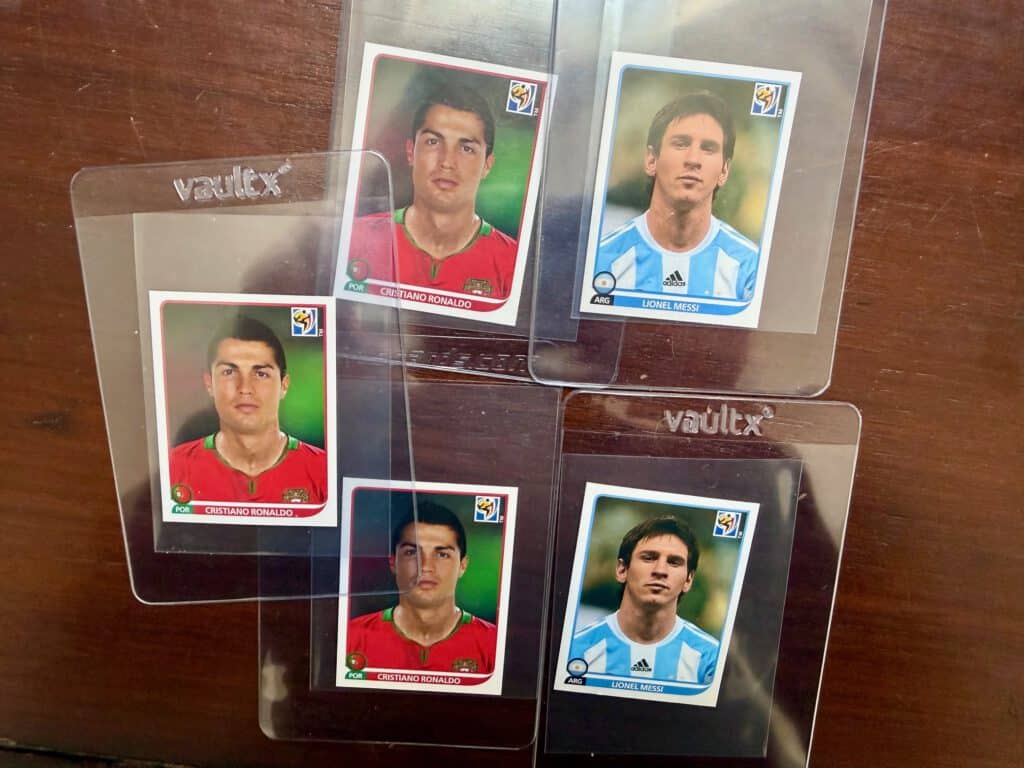
Upper Deck built its reputation differently. The company became closely associated with premium production quality, memorable autograph sets and exclusive athlete partnerships. Many iconic cards from the late 1990s and early 2000s still carry the Upper Deck logo, and collectors continue chasing them today.
Product Analysis over Brand Loyalty
One mistake I often see is people becoming loyal to a manufacturer instead of the card itself. Every company has produced outstanding releases, and every company has released products that disappeared almost immediately. Experienced collectors usually judge individual cards rather than automatically buying everything from a particular brand.
The same applies to new products. Every year manufacturers promise the next revolutionary design, another limited parallel or another exclusive insert. Some become hobby classics. Most don’t. Looking back through sports card history, collectors rarely remember the biggest marketing campaigns. They remember the cards that stood the test of time.
New to the hobby? Start with Sports Memorabilia: The Ultimate Guide.