
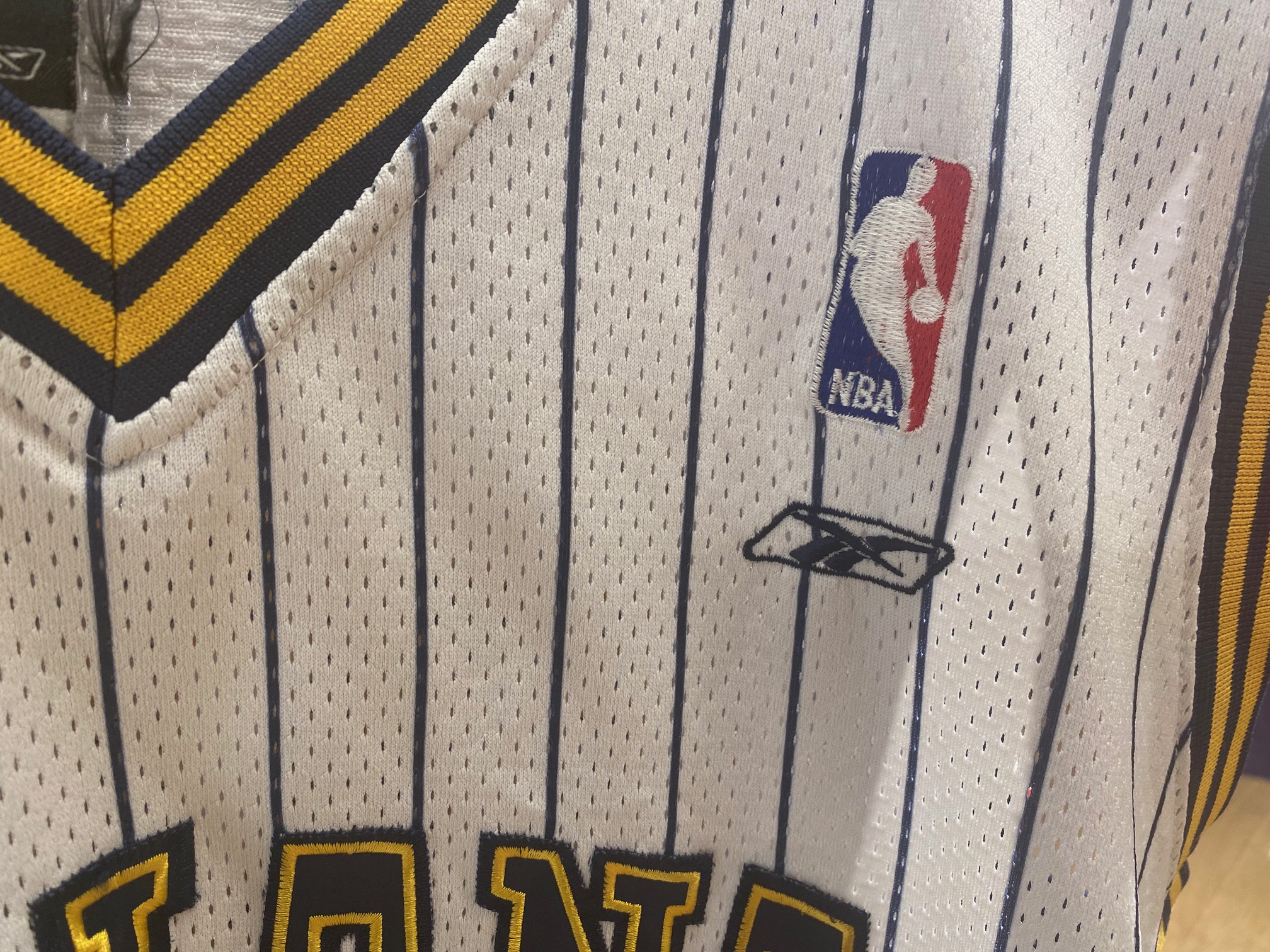
One of the strongest signals for me that sports memorabilia has moved into a different category is the presence of Sotheby’s and Christie’s. For a long time, sports memorabilia felt like its own collector world. Card shows, private deals, specialist auction houses, old collections, hobby forums, dealers who knew exactly which jersey, ball or card mattered. Now the biggest auction houses in the world are building lanes into the market.
When Sotheby’s and Christie’s sell sports memorabilia, they are placing it closer to art, watches, rare collectibles and other alternative assets. Not every signed jersey becomes an asset. Not every ball, card or photo deserves that language. But the high end is clearly being treated differently.
Direct From The Source
Sotheby’s and Christie’s have built direct relationships with leagues and teams, especially around the NBA. That means some items can move from the game into the auction world very quickly. A jersey can leave the court, get authenticated, and appear for sale while the moment is still fresh.
That is powerful because the provenance is clean. The chain of ownership is short. The buyer may become the first private owner. There is no long mystery about where the item was for ten years.
But it also creates a different question: how much of the value is the object, and how much is just immediate excitement? A jersey directly from the NBA has a perfect paper trail. That does not automatically mean it has long-term collector weight.
Why Goldin Still Has The Stronger Collector Filter
A jersey, card or piece of memorabilia may have spent years in private hands before it reaches auction. By then, the market has already had time to decide whether the player, season, card or object actually matters. That is a massive difference. Goldin is not only selling provenance. It is often selling market-confirmed importance.
That is why some results become so strong there. The item is not just fresh. It has already been filtered by time, collectors, previous ownership, scarcity and demand. If a rare Jordan card, Kobe jersey, LeBron patch auto or historic game-used piece appears after years in private ownership, the auction does not need to explain why the object might matter someday. The market already knows why it matters. That is a very different promise from a direct-from-the-game model. Sotheby’s and Christie’s can offer perfect chain of ownership. Goldin often offers something else: proof that the hobby already cares.
PSA Grading Changed The Card Side
Trading cards add another layer because grading already turned them into more standardized assets.
A raw card is one thing. A PSA-graded card is easier to compare, easier to price, easier to insure, easier to sell, and easier for a non-hobby buyer to understand. That matters if cards move further into Sotheby’s and Christie’s territory.
A PSA 10 Messi rookie, a high-grade Pelé card, an important Shohei Ohtani rookie autograph or a rare Michael Jordan insert does not need the same explanation as a random box of cards. The grade gives the object structure. The population report gives it context. Auction history gives it a market.
That is probably one reason high-end cards can cross over into the world of major auction houses more easily than ordinary memorabilia.
The Global Names Matter
This is not only an American sports story either.
Pelé, Messi and Ohtani show why the category can become much bigger than old-school US memorabilia. Pelé gives you football history. Messi gives you the modern global soccer market. Ohtani gives you baseball, Japan, MLB, modern celebrity and crossover demand in one player.
A buyer does not need to be a hardcore American card collector to understand why Messi or Pelé matters. Ohtani does not only speak to baseball collectors. He speaks to a much wider international market.
That is exactly the kind of thing Sotheby’s and Christie’s understand well. They know how to sell global cultural objects, not just hobby inventory.
The Timing Problem
The difference between these models is mostly timing. Sotheby’s and Christie’s can sell an item almost immediately after it becomes available. The source is clean, the story is current, and the auction house brand adds authority. Goldin often sells after the hobby has already judged the object.
That second route can be more powerful for certain pieces because time removes a lot of noise. A player who looked important for six months may disappear. A random big game may not matter later. A hot collectible can cool down fast. But if an item resurfaces years later and collectors still care, the market has already answered part of the question.
Where This Could Go
I would not be surprised if more major trading cards and elite memorabilia pieces end up at Sotheby’s and Christie’s over time. The top of the market already behaves less like a casual hobby and more like an asset category. But Goldin is not suddenly irrelevant. If anything, the difference becomes clearer.
Sotheby’s and Christie’s may dominate the direct, prestige, league-access lane. Goldin may remain stronger where the hobby itself has already created the price history and collector pressure. Both models can work. But they are not selling exactly the same thing.