
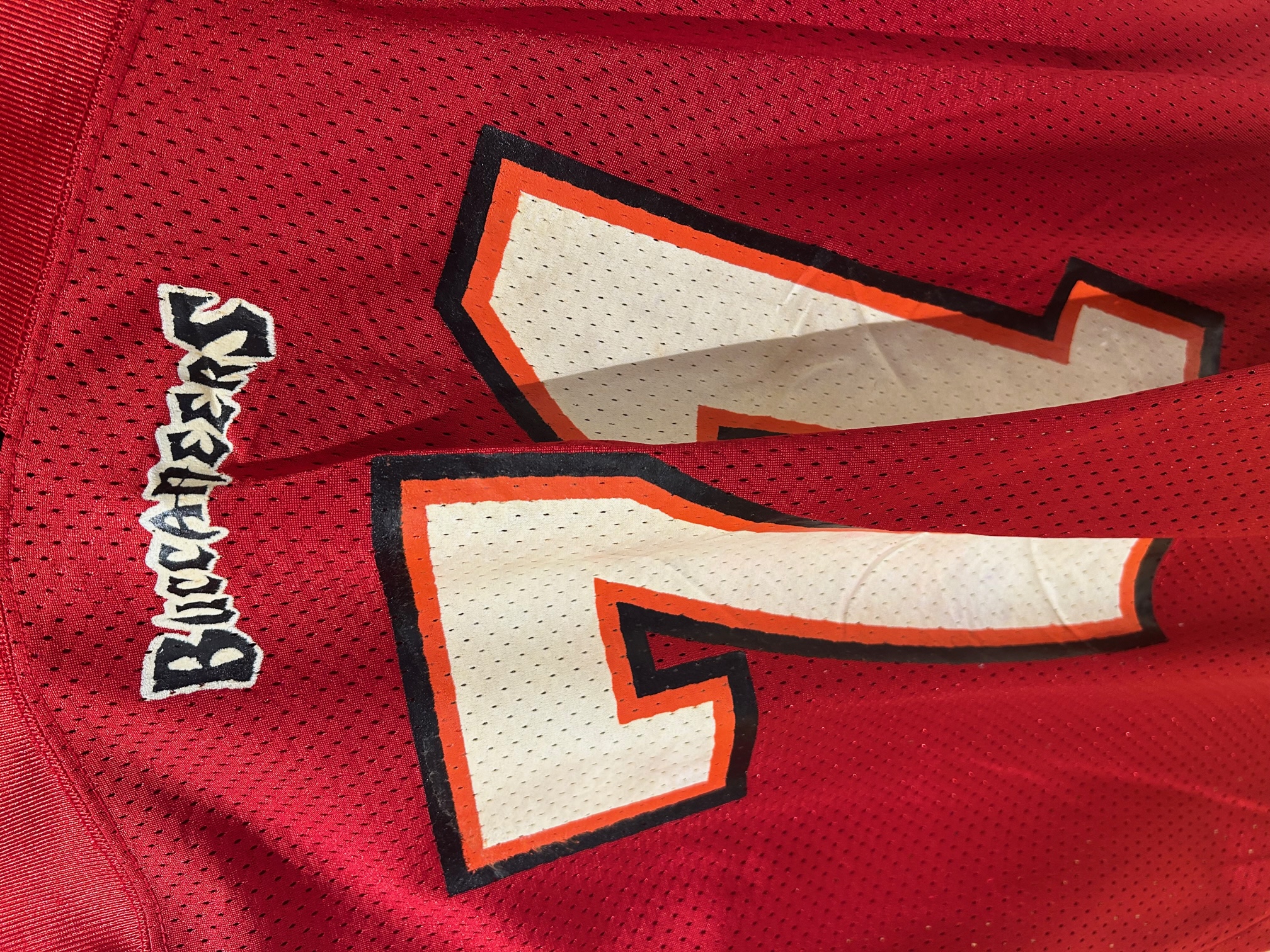
Every collector likes to believe that buying sports memorabilia is different from speculation. We tell ourselves that we are buying history, emotion, game-used objects and pieces of sporting greatness. That is certainly part of the story. But over the last few years another narrative has become much louder. Jerseys are called assets. Trading cards are compared to stocks. Auction records become headlines, and suddenly people start discussing Michael Jordan jerseys or Lionel Messi cards in the same language that investors use for real estate or equities.
I understand why. If a game-worn Michael Jordan jersey sells for several million dollars, it is difficult not to think about investment. If rare cards appreciate dramatically over ten or twenty years, it is tempting to believe that sports memorabilia has become a permanent asset class. There are even studies suggesting that certain categories have outperformed the stock market over specific periods. The question is whether that tells us anything about the next fifty years.
Every Generation Chooses New Heroes
Sports are different from art because the emotional connection changes with every generation. A Rembrandt remains a Rembrandt. A Picasso remains a Picasso. Sport works differently because new athletes constantly replace old ones.
Franz Beckenbauer once represented football in Germany in almost the same way that Lionel Messi or Cristiano Ronaldo represent football today. Yet younger collectors often feel a much stronger connection to the players they actually watched. That does not diminish Beckenbauer’s greatness. It simply shows that sporting memory moves.
The same question will eventually apply to Messi and Ronaldo. Today they dominate the hobby. Their shirts, boots, cards and autographs sit at the very top of the market. But how will collectors think about them in one hundred years? Will they still inspire the same emotional reaction, or will they become historical figures admired mainly by specialists while future generations chase completely different stars?
That is impossible to answer, but I think it is a question every collector should ask.
Scarcity Alone Does Not Create Permanent Value
Collectors often point to scarcity. A game-worn jersey exists only once. A particular card may be numbered to ten or even one of one. Scarcity certainly matters.
History is full of objects that people once considered essential investments until the market eventually changed its mind. The Dutch tulip mania remains the classic example. Rare tulip bulbs became investment objects. Prices exploded because buyers believed somebody else would always pay more. Eventually that belief disappeared.
I am not suggesting that a Michael Jordan jersey is equivalent to a tulip bulb. Jordan changed basketball forever, and the greatest pieces of sports memorabilia carry genuine historical importance. But the comparison reminds us of something uncomfortable. Every market depends on future buyers.
Who Buys The Seven-Figure Jersey?
A signed football for $500 has an obvious audience. A game-used jersey for $10,000 still attracts serious collectors. But what happens when a jersey reaches one million dollars or several million dollars? The number of potential buyers becomes incredibly small.
Perhaps museums begin buying these objects. Perhaps investment funds continue entering the market. Perhaps billionaires decide that iconic sports memorabilia belongs alongside fine art. That is entirely possible, and auction houses increasingly present elite memorabilia in exactly that way.
But it is also possible that the market eventually reaches a point where prices rise faster than the number of people capable of paying them.
Sports Are Not Static
Another reason I remain cautious is that sport itself constantly changes. Tom Brady commands enormous prices today because American football occupies a huge cultural position in the United States. Shohei Ohtani has become one of the defining figures of modern baseball. Lionel Messi and Cristiano Ronaldo have dominated football for nearly two decades.
In another fifty years there will be new legends. There will be another generation of collectors. There will be new sports, new leagues, new media and probably new ways of collecting that we cannot even imagine today.
Markets built on emotion rarely stay frozen forever.
Collect Because You Would Keep It
I still collect. I still enjoy sports memorabilia. I still believe that exceptional game-used pieces and historically important cards will remain desirable for a very long time.
What I do not completely believe is the idea that every expensive sports collectible automatically becomes a safe long-term investment simply because prices have risen over the past decade.
Perhaps the very best objects will continue climbing.
Perhaps the market simply levels off.
Perhaps we are living through an extraordinary period that future collectors will look back on as the moment when sports memorabilia became financial assets.
Or perhaps they will wonder why we once believed a jersey could only become more expensive forever.
That uncertainty is probably healthier than pretending we already know the answer.