
I was looking through Etsy again for sports memorabilia, and it is one of the stranger places to search for autographs. The selection is huge: Jordan, Brady, Ohtani, Kobe, Messi, framed jerseys, signed photos, balls, helmets, display pieces. A lot of it looks good at first glance because Etsy is built for presentation. Nice photos, clean frames, friendly seller pages, product descriptions that feel softer than eBay. It does not feel like a risky marketplace when you open it, and that is exactly why it can become dangerous.
Etsy is not really a memorabilia authentication platform. It is a marketplace where almost anyone can upload an item. If I want to list a framed Michael Jordan signature tomorrow, I can take a nice photo, write “authenticated,” add some certificate in the pictures, and the listing is live. There is no serious second layer that stops the item and asks who authenticated it, where the signing history is, why the price makes sense, or why the COA should be trusted by the hobby.
The Jordan Listing Is The Warning Sign
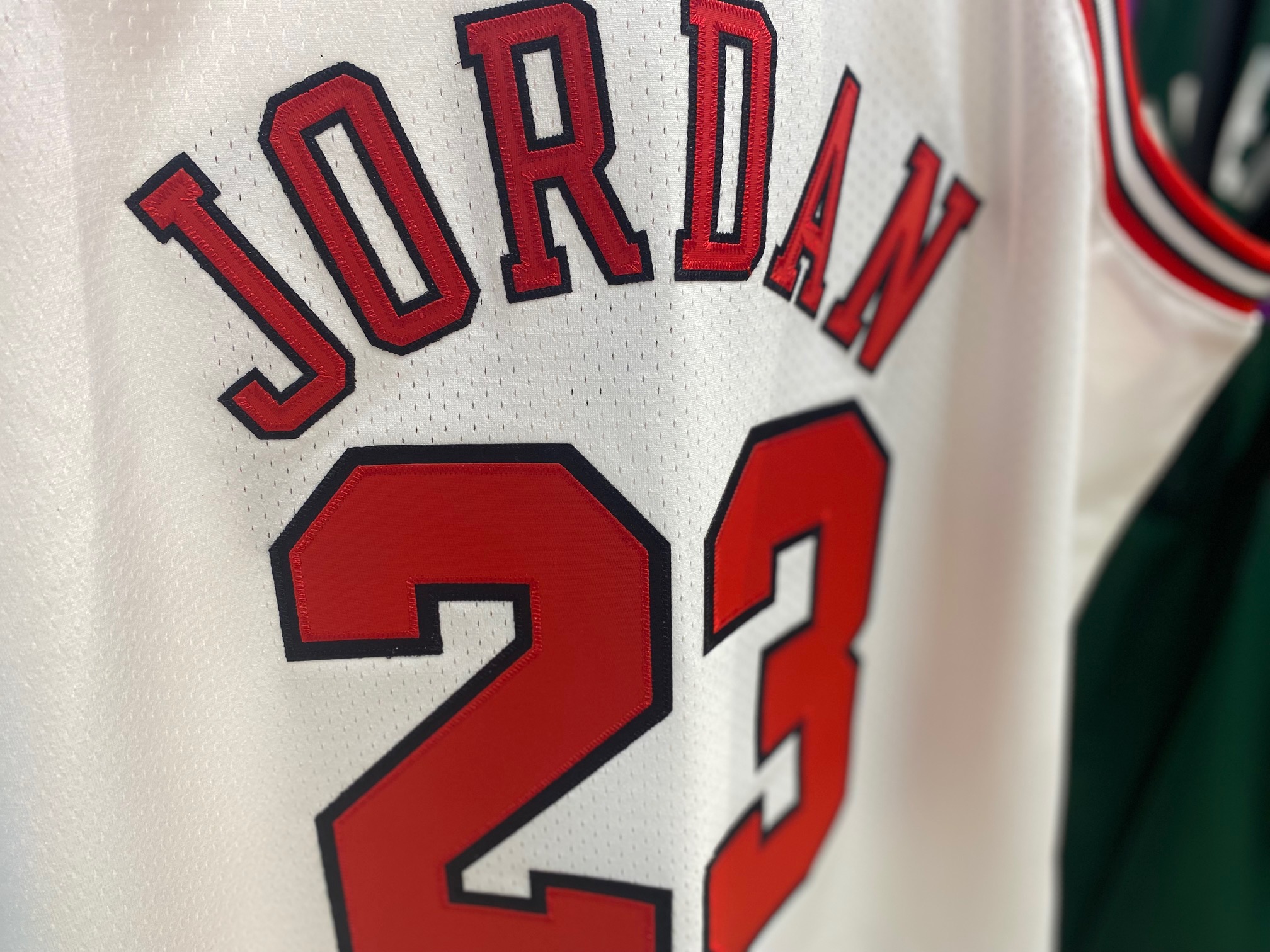
I found a framed Michael Jordan autograph listed for $ 580. For Jordan, that number already says a lot. A real Michael Jordan autograph with strong market-recognized authentication is not normally sitting there at a price like that, framed and ready to hang, while legitimate Jordan material is usually priced thousands higher.
The authentication setup does not make it more convincing. The listing uses a PSA sticker, but for Jordan that creates more questions than comfort. Jordan has had the long Upper Deck lane, and collectors know this. A serious Jordan autograph usually needs a very clean authentication story. UDA is the obvious lane, and strong third-party authentication can matter too, but when I see a cheap Jordan piece with a setup that does not match what I expect from the Jordan market, I do not see a bargain. I see a problem.
Cheap Enough To Tempt People
This is where Etsy becomes risky for casual buyers. The item does not seem obviously bad. It looks framed, finished and giftable. It has a certificate or sticker. It has a huge name attached. It is cheap enough to feel reachable, but not so cheap that a beginner immediately thinks fake. That middle zone is probably where people get caught.
The same pattern shows up with newer stars too. Shohei Ohtani is the obvious example now. Dodgers, global attention, huge modern demand. You can find Ohtani signed items online with paperwork from companies most collectors have never heard of. Maybe some are fine. Maybe some are not. But once the name is big and the authentication layer is weak, the whole thing becomes uncomfortable.
A COA Is Not Enough
A COA alone does not solve anything. Certificate of Authenticity sounds official, but the hobby does not treat all COAs equally. Some certificates are backed by real reputation, databases, witnessed signings, holograms and long market acceptance. Others are basically just paper with a logo. Etsy does not always make that difference clear enough for inexperienced buyers.
That is why I struggle with Etsy memorabilia. The photos can be strong, the frames can appears good, the seller reviews can presents itself normal, and the price can feel tempting. But the security layer often feels thin. With high-end names like Jordan, Brady or Ohtani, that is not a small detail. It is the entire purchase.
For decorative wall pieces, maybe some buyers do not care. If somebody just wants a framed sports thing for a room and understands the risk, fine. But as a collector purchase, I would be extremely careful. On Etsy, the presentation often arrives before the proof. And with autographs, that order should make you nervous.