
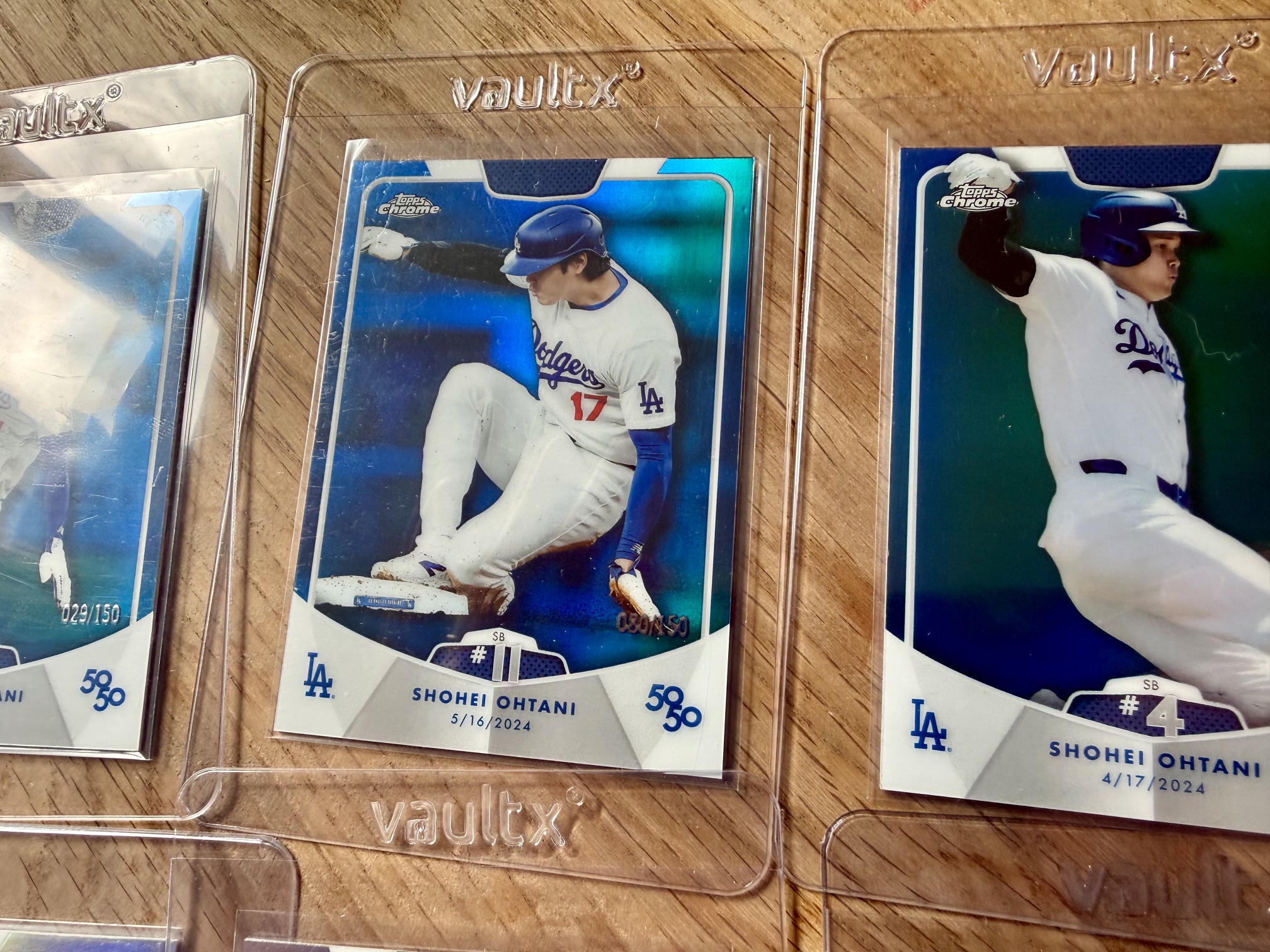
If you are not actively inside sports card Facebook groups, it is honestly difficult to understand how large this market really is.
From the outside, it still looks like a niche hobby. A few collectors posting cards. Pickup photos. PSA arguments. Some Messi autos, Wemby parallels, Jordan inserts.
But once you spend enough time inside these groups, you realize how much money actually moves there every day. Cards get claimed for $500, $2,000, $8,000, sometimes far more. A card gets posted, people ask for extra photos, somebody comments “take”, messages move into DMs, payment gets sent, and the deal is basically done. Between complete strangers. That part still feels strange to me.
Facebook Groups Feel Like a Closed Marketplace
What makes these groups different from normal marketplaces is the structure around them.
Most of these groups are not fully public. You usually need to join first. Sometimes you answer questions before getting accepted. Some groups are heavily moderated. Others barely at all. It creates a market that feels more closed off than eBay or other large platforms.
You are not entering with one click like a normal marketplace. You enter communities. And once you are inside, the entire buying and selling process feels much less structured. Listings are everywhere. Some are clean. Others are messy. Some have prices. Others just say “DM offers.” Posts with more likes and comments stay visible longer while other cards disappear quickly underneath newer posts.
From a buyer perspective, that lack of structure can be frustrating because it becomes difficult to maintain a full overview of the market. But at the same time, that chaos is also part of the opportunity.
Good deals still appear because prices are inconsistent. Negotiations happen privately. Some sellers want quick cash. Some cards are listed below market simply because the right buyer has not seen the post yet.
That is one reason many collectors still spend so much time inside Facebook groups despite all the risks. Sometimes the best cards never even reach bigger marketplaces.
The Trust Problem
At the same time, scam reports are constant. Paid cards that never arrive. Chargebacks after delivery. Reused photos. Sellers disappearing after payment. Packages without proper tracking. Buyers accused of swapping cards.
After a while, you stop being surprised by it. And that is probably the strangest part. Because outside the hobby, this system sounds completely irrational. A person in Germany sends thousands of dollars to somebody in the United States they have never met. Days later, a small package arrives containing a piece of cardboard that may or may not be exactly what both sides expected.
Inside the hobby, that barely feels unusual anymore.
Why Platforms Still Feel Safer
In a normal high-value sale, a platform or intermediary usually sits somewhere in the middle.
On eBay, the transaction runs through the marketplace itself. PayPal Goods and Services adds another layer. Auction houses and platforms like Goldin or Pristine Auction manage parts of the transaction process directly. If problems happen, buyers and sellers usually know who the first point of contact is.
That does not make those systems perfect. Claims still happen. Fees are high. Decisions can feel inconsistent. But the structure itself creates a different feeling of security.
Facebook groups remove a large part of that structure.
Most deals are basically:
photos, messages, PayPal, tracking number, reputation.
No marketplace controlling the transaction itself.
No auction house holding the card.
No platform checking the condition before shipment.
Just two collectors agreeing on a price and trusting the deal will work.
Reputation Becomes the Entire Infrastructure
That is why reputation matters so much in sports card Facebook groups.
People ask for vouches before sending money. They check feedback threads. They search names inside groups. They ask mutuals whether somebody is legit. Sometimes they ask for coined photos with timestamps just to confirm the seller actually has the card.
Over time, certain names become trusted inside these communities. Other names become warnings.
Collectors with strong reputations move expensive cards much easier. Buyers feel safer. Sellers feel safer. Meanwhile, somebody with no history, no references, and no community presence immediately creates hesitation even if they are completely legitimate.
The hobby basically built its own trust system around screenshots, references, feedback posts, and memory.
And considering the amount of money involved, that is honestly pretty crazy.
Raw Cards Make Everything Riskier
The raw card market makes all of this even more uncomfortable. With graded cards, at least there is some level of standardization. A PSA 10 is still a PSA 10. The card sits inside a slab. The condition has already been judged, whether people agree with the grade or not. Buying an expensive raw card online is mostly buying photos, lighting, and trust.
People zoom in on corners. They analyze centering. They ask for surface videos. They look for whitening, print lines, scratches, dents, edge wear. Sellers tilt cards under light while buyers try to predict whether the card could gem.
Surface flaws disappear under certain lighting. Tiny dents can be invisible in photos. Cards that look perfect online sometimes grade badly. Other cards somehow come back as PSA 10s despite obvious issues in hand.
And still, collectors spend serious money on raw cards every day because everybody believes they can spot something the market missed.
Why The Market Still Works
The buyer fears scams, fake cards, altered cards, misleading photos, damaged shipments, or disappearing sellers. The seller fears chargebacks, fraudulent claims, buyers damaging cards, or packages getting lost internationally. Both sides feel exposed. And honestly, both sides probably are. There are easier ways to buy expensive items online.
But Facebook groups are faster. More direct. More flexible. Sometimes prices are better. Sometimes rare cards appear there before they ever reach eBay or an auction house. A big card gets posted. The comments start moving. Messages go out privately. The card disappears within minutes.