
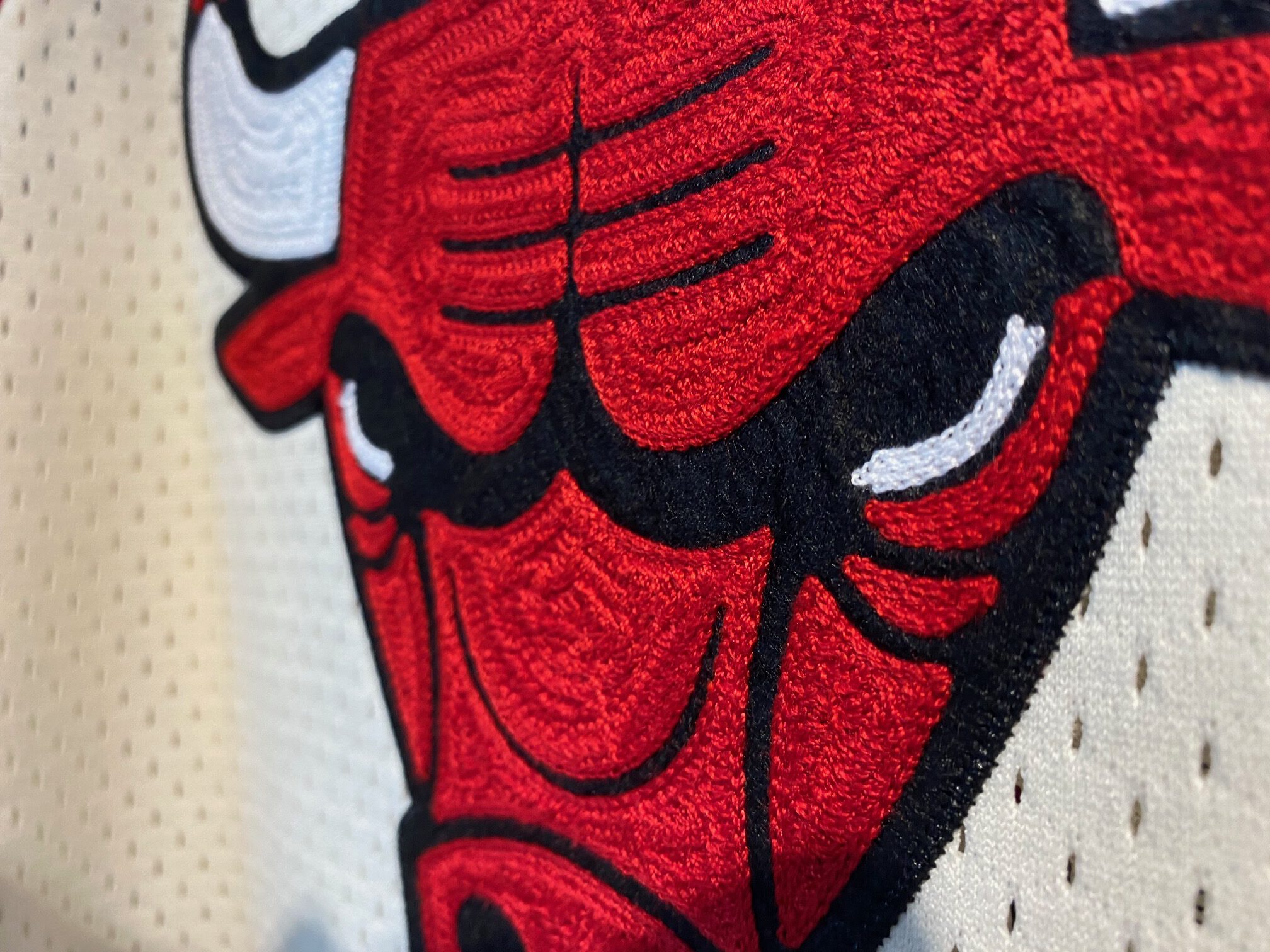
For many collectors, the trading card boom of the 1980s and 1990s was never really about money.
It was about the feeling.
The feeling of walking into a crowded card shop on a Saturday morning and seeing glass cases filled with rookie cards that looked almost mythical as a kid. The feeling of opening fresh wax packs at the kitchen table without knowing what might be inside. The feeling of spotting a card you had been chasing for months and instantly knowing you needed it before somebody else grabbed it first.
For many longtime collectors, however, the connection started in a much simpler and far more personal way.
During the late 1980s and early 1990s, collecting cards felt tied to everyday life. Kids carried Michael Jordan cards inside school binders, traded doubles during lunch breaks, and spent entire weekends organizing collections across bedroom floors. Posters covered walls. Plastic pages filled with basketball cards sat underneath beds. Family members already knew exactly what to buy for birthdays or holidays because everyone understood which athletes, teams, or celebrities mattered most.
Collecting became part of personal identity.
Sometimes you could walk into somebody’s room and immediately know exactly who they admired just by looking around. A Chicago Bulls pennant hanging on the wall, stacks of Beckett magazines near the television, shelves filled with basketball cards, or carefully protected signed memorabilia all revealed something about the person who owned them.
That emotional attachment still explains why so many vintage collectibles continue holding enormous value decades later.
Michael Jordan and the Rise of Modern Sports Collecting
Few cards symbolize the hobby more than the famous 1986–87 Fleer Michael Jordan rookie card.
For fans growing up during the Chicago Bulls dynasty, Jordan did not feel like an ordinary athlete. He felt larger than the sport itself. Watching Bulls games became part of the rhythm of everyday life for millions of people throughout the 1990s.
At the time, very few people imagined that cards pulled from ordinary retail packs would one day become museum-level collectibles.
Today, pristine copies of the Jordan rookie card regularly sell for extraordinary prices at major auctions, while authenticated Michael Jordan game-worn Bulls jerseys can command anywhere from $100,000 to well over $500,000 depending on the game history attached to the jersey. Signed basketballs connected to Jordan often sell for thousands more and remain centerpiece items for serious collectors.
But for many fans, the real value has never been entirely financial.
Collectors often describe memorabilia almost like emotional time machines.
We all watched Michael Jordan during those spectacular years in the 1990s. Even people who never cared much about basketball still know exactly who Michael Jordan is. That alone separates him from athletes like Shohei Ohtani or Tom Brady. Both are enormously successful and widely recognized, but not every European, for example, would instantly know who they are. With Jordan, it was different. He was the first athlete who truly felt global in a modern cultural sense. From the Nike partnership and the Jumpman branding to the media attention surrounding every part of his career, Jordan changed the scale of sports celebrity itself. Even his temporary departure from basketball to play Minor League Baseball became part of the mythology surrounding him.
Sometimes it is not even the object itself that matters most, but the memory attached to it.
A faded Bulls pennant might remind somebody of sitting in front of the television during the NBA Finals. An old Upper Deck Griffey card might bring back memories of summer afternoons spent opening foil packs with friends. A vintage sign, a ticket stub, or even a worn-out binder can trigger emotions that are difficult to explain to anyone outside the hobby.
In many cases, collectors are not simply buying objects.
They are buying proximity to a feeling.
Why the Hunt Matters So Much
That emotional pull helps explain why the sports memorabilia market remains so powerful even decades after many of these athletes stopped playing.
The strongest collections are rarely built only around money or investment strategy. They are usually built around memory, curiosity, nostalgia, and the thrill of discovery.
Many collectors describe walking into flea markets, card shows, estate sales, antique malls, or small hobby shops without even knowing exactly what they are searching for. Then suddenly something catches their attention. A vintage logo. An old advertisement. A signed basketball. A toy from childhood. A poster they forgot existed.
Something sparks recognition immediately.
That feeling can be almost impossible to explain logically, but collectors understand it right away.
Some spend years chasing that sensation. The excitement of discovering something unexpected or finding a rare item connected to a favorite athlete or cultural moment becomes addictive in its own way.
Even collectors with rooms packed full of memorabilia often continue searching because the thrill comes as much from the hunt itself as from ownership.
For many people, the collection is never really finished.
The Market Keeps Moving Higher
At the same time, there is no denying that the memorabilia market has changed dramatically.
Record-breaking auction sales continue pushing the hobby into entirely new territory. Rare Michael Jordan cards now sell for millions of dollars. Game-worn jerseys reach astonishing prices. High-grade rookie cards that once sat inside ordinary binders are now treated like investment assets.
That is one side of the market.
But not everybody will ever own a $2 million Michael Jordan card, and most collectors understand that.
What often gets overlooked, however, is everything happening between $1 and $2 million.
That middle ground is where the vast majority of collectors actually live, and it is where much of the hobby’s energy still exists. Vintage rookie cards, signed basketballs, championship memorabilia, lower-grade star cards, unopened packs, posters, pennants, ticket stubs, and countless other collectibles continue attracting buyers across every price level.
And when prices at the very top of the market continue rising, it often creates a type of pull throughout the rest of the hobby.
Collectors sometimes describe it almost like a gravitational effect.
When elite Michael Jordan cards break records, attention increases across the entire category. More people start looking at Jordan cards in general. Then interest spreads toward more affordable versions, lower grades, related Bulls memorabilia, and eventually even other stars from the same era.
That ripple effect has played out repeatedly across the sports collectibles market.
Not every collector needs the rarest card in existence to feel connected to the hobby.