
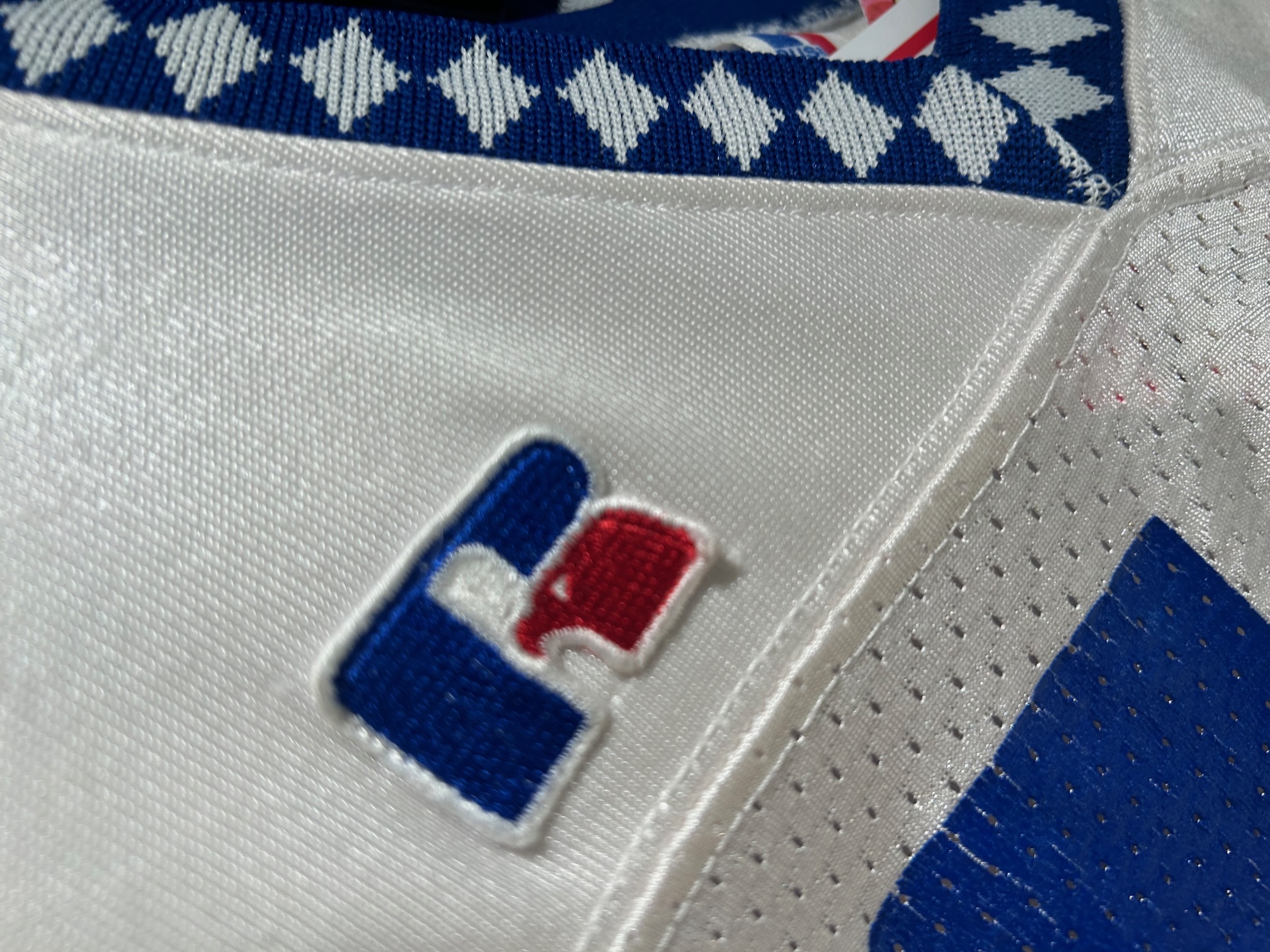
Some memorabilia should not be treated like normal collectibles. That sounds strange coming from someone who writes about buying, selling, framing, authenticating and displaying sports memorabilia. I like private collections. I understand why someone wants a signed jersey, a game-used bat, an old Olympic item, a medal, a torch, a program, a ticket, or a piece of equipment in their own collection. But there is a line. Some objects are bigger than the collector who owns them.
That is especially true with historic sports memorabilia. Olympic memorabilia, political sports objects, items from major cultural moments, and pieces connected to turning points in history are not always just cool things to own. They can be part of public memory. And then the question becomes uncomfortable: should this item really sit in a private frame in someone’s living room, or should it be preserved, researched, and publicly accessible?
Heritage Memorabilia Is Not Always Just Personal
The soft version of this topic is easy to write. Heritage memorabilia connects generations, tells family stories, preserves culture, and helps people remember the past. All true. But sports memorabilia can be more complicated than that.
A signed football shirt is one thing. A match-worn Olympic item from a politically loaded event is another. A family heirloom and a cultural artifact are not the same thing. A ticket stub from a normal game and an object from a historically important Olympic Games do not carry the same weight. Sports has always been political, even when people pretend it is not.
The Olympics are probably the clearest example. Berlin 1936 was not just a sports event. It was propaganda, performance, power, image, ideology, athletes, symbols, and international politics all at once. Memorabilia from those Games does not exist in a neutral space. It carries the weight of the time. The same applies, in different ways, to Cold War-era Olympic objects, Eastern Bloc sports memorabilia, boycott-era material, politically charged uniforms, medals, torches, programs, and documents. These are not just collectibles. They are evidence.
The Olympic Torch Question
Take an Olympic torch as an example. If a historically important Olympic torch is in private hands, what should happen to it? Legally, maybe the owner can keep it. Maybe it was bought fairly. Maybe it has been in a family for decades. Maybe there is nothing illegal about private ownership at all. But the ethical question is different.
Should an object like that be locked away, poorly stored, or displayed next to random framed memorabilia because someone paid for it? Or should it be in a museum, a sports archive, an Olympic collection, or at least preserved properly with context?
A torch is not just a decorative object. It is part of a ceremony, a political moment, an international event, and a visual memory millions of people may connect with. Depending on the Games, it can carry far more than sports value. This is where private collecting reaches its limit for me.
Some objects need professional hands. Not because private collectors are bad. Many private collectors preserve items better than institutions do. Some museums are underfunded. Some archives are slow. Some public institutions do not care enough. But important heritage memorabilia needs conservation, documentation and access. If a private collector can provide that, fine. If not, maybe the object belongs somewhere else.
Condition Is Not the Only Problem
Collectors often talk about preservation in practical terms: sunlight, humidity, acid-free materials, UV glass, temperature, framing, storage. That matters. A jersey can fade. Paper can yellow. Ink can disappear. Leather can dry out. Metal can corrode. A bad frame can slowly damage the object it is supposed to protect.
But with heritage memorabilia, preservation is not only physical. Context has to be preserved too. Who used the item? When? Where? Why does it matter? How did it leave the original setting? Is the story documented? Can future researchers understand it? An item without context can become just another object.
Private Ownership Is Not the Enemy
I do not think every important item needs to be taken out of private hands. That would be too easy and also unrealistic. Private collectors often save things that institutions missed. Many important sports objects survived because one person cared enough to keep them. Families, former athletes, dealers and collectors have preserved material that might otherwise have been thrown away.
The issue is not private collector versus museum. The issue is responsibility. If someone owns an important piece of heritage sports memorabilia, they should understand what they have, not just the market value, but the historical value. That means proper storage, documentation, provenance, careful framing, and ideally some level of public visibility: loans to exhibitions, high-quality photography, a documented archive, or eventually donation or sale to an institution that can preserve it.
Museums and Institutions Matter
Museums, archives, Olympic collections, sports halls of fame and cultural institutions exist for a reason. They can preserve objects professionally. They can explain them. They can connect them to history, politics, athletes, social change and public memory. They can make an item accessible to more than one owner and a few guests in a private room.
This matters especially with objects tied to major historical events. Olympic memorabilia from politically charged periods should not be treated only as sports decoration. It belongs to a larger story. Maybe a difficult story. Maybe an uncomfortable one. That does not make the objects less collectible. It makes them more serious.
The Collector’s Dilemma
This is where the hobby gets complicated. Collectors want ownership. Museums want preservation. Historians want access. Sellers want money. Families want control. The public may not even know the item exists. Then the market does what the market always does: a rare item appears, people bid, the highest bidder wins, and the object moves into a private collection. Maybe it is preserved perfectly. Maybe it disappears for twenty years.
That can be fine for an ordinary signed jersey. It feels different for an object that carries cultural or political weight. Before treating historic sports memorabilia like normal display material, collectors should ask a harder question: is this mainly a collectible, or is it a historical object that should be accessible, documented and professionally preserved?
The Responsibility That Comes With Ownership
I like sports memorabilia because it makes history physical. A jersey, a bat, a shoe, a medal, a torch, a ticket, a program, these things carry moments in a way normal text does not.
But that is also why some pieces need more care than the hobby usually gives them. Not every important object belongs in a private frame. Not every rare item should vanish into a living room. Some pieces are too connected to public history, political memory or cultural identity to be treated like normal collectibles.
Private collectors can play an important role. With heritage memorabilia, owning the item is only part of the responsibility. The bigger question is whether the object will survive with its story intact.