
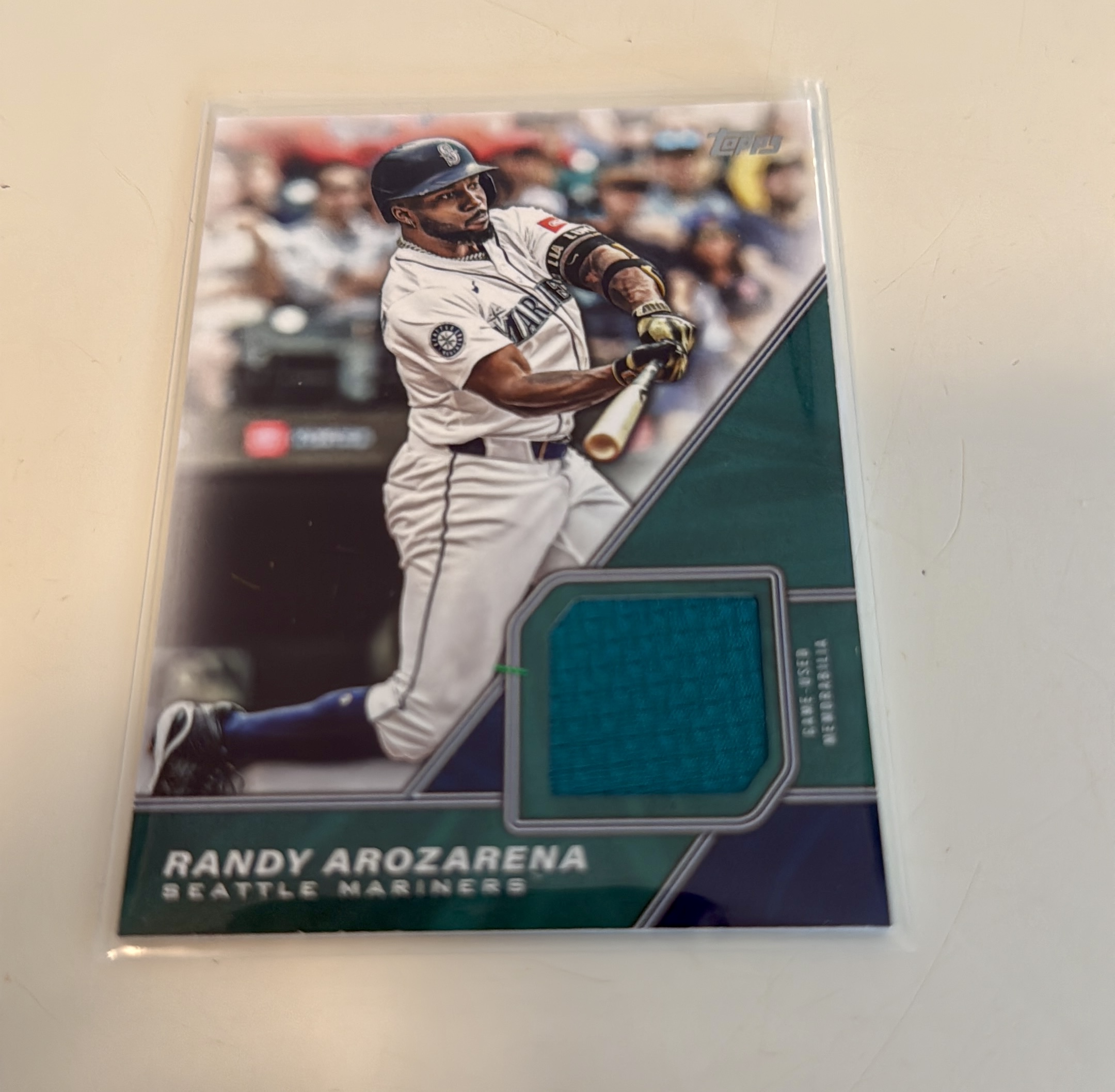
How is it possible that card manufacturers release high-end cards with patches that do not even match the featured player? It seems this happens more often than collectors would like to believe.
Patch and autograph cards have the potential to significantly increase a card’s value. They create the feeling of owning a real piece of sports history. However, it is becoming increasingly clear that the patches used are not always connected to the featured player. Some collectors have started opening lower-priced cards to take a closer look at what is actually inside. Their findings confirm growing suspicions. Companies like Topps openly state that so-called “game worn gear” is not necessarily tied to a specific player or event. For many collectors, this realization comes as a shock.
The Patch Controversy: Authenticity Under Fire
The issue gained attention when collectors began cutting open their cards to verify the authenticity of the patches. The results were both surprising and disappointing. Cards featuring stars like Aaron Rodgers, Tom Brady, and LeBron James were sometimes found to contain materials that did not match those players or any specific game. In some cases, the fabric came from lesser-known players or was completely generic.
Manufacturers such as Panini have defended their practices by stating that they use either authentic game-used material or what is referred to as “game-issued material.” This distinction, however, has become increasingly controversial.
Game-issued material refers to items that were prepared for a player but may never have been worn in an actual game. Game-used material, on the other hand, is supposed to come from equipment that was worn during real gameplay. With more reports of generic or mismatched patches, collectors are beginning to question how meaningful these labels really are.
Collectors are understandably frustrated. Some feel duped, questioning whether they’ve been sold a piece of “authentic” memorabilia or simply a piece of random fabric. As one online commenter put it, “Who wants a random piece of cloth on a card related to nothing? The first generations of these cards were amazing, but now they’ve de-valued all the great jersey cards out there. It’s a huge marketing mistake.”
A Collectors’ Rebellion: The Devaluation of the Hobby
The frustration is palpable across collector forums and social media. The allure of “RPA” (rookie patch autograph) cards has been diminished in many cases, with cards that are supposedly one-of-one or limited edition featuring manufactured patches rather than authentic game-worn materials. As one disgruntled collector put it, “I shake my head seeing 1/1 RPA cards with manufactured patches. A damn shame.”
It’s not just the patches themselves that have collectors angry. it’s the sheer laziness that seems to be creeping into the market. “The fact these cards got completely ruined by saying they’re not associated with any game or player is so lazy on their part,” one user wrote. “You can’t pawn off cheap, pathetic bull**** on collectors. It doesn’t work.” This Reddit comment speaks volumes.
The Great Patch Controversy
While some collectors are calling for greater transparency from companies like Panini, others are simply leaving the market, unwilling to engage in a hobby that no longer feels authentic. “Collectors know, and they care,” one collector commented. “You can’t get away with this kind of deception.”
The 50/50 Shohei Ohtani Game-Used patch card has the potential to be worth millions. As a limited-edition, game-worn item, its rarity and Ohtani’s star power make it a highly sought-after piece. If Ohtani continues his historic run, this card could become one of the most valuable sports memorabilia ever sold. The key, however, lies in its authenticity.
Would You Destroy A High-End Card?
When it comes to truly high-end cards, the mystery will likely remain unsolved. Who would seriously consider destroying a card worth ten thousand dollars or more just to verify what is inside? Especially when it is already sealed in a slab by Professional Sports Authenticator. Breaking it open would instantly destroy a significant portion of its market value, with no guarantee of compensation. For most collectors, that risk is simply not worth taking.
And this is exactly where the issue becomes even more complex. Some of the most expensive patch cards ever sold have reached astonishing prices, built largely on the assumption of authenticity. The 2009 to 2010 Logoman patch card of LeBron James sold for around 2.4 million US dollars in 2021. Another headline sale was the 2017 National Treasures RPA of Patrick Mahomes, which reached approximately 4.3 million US dollars in the same year. The 2003 to 2004 Exquisite Collection RPA of LeBron James also commanded around 1.8 million US dollars.
These numbers highlight just how much collectors are willing to pay for cards that are believed to contain genuine, game-used material paired with authentic signatures. Collectors are clearly willing to pay significant amounts for cards like these. But that willingness is built on trust in the product itself. If that trust begins to erode, market values will inevitably follow. Because if collectors can no longer be certain that a card truly contains the features they are paying for, frustration is unavoidable. And in many cases, that frustration is entirely justified.