
Derek Jeter is one of the cleanest names from the 1990s baseball era. Yankees captain, five World Series titles, Hall of Fame, New York, rookie-year mystique. Collectors understand the profile immediately. But Jeter also came up in the card wax era, and that matters. There are plenty of Derek Jeter cards. Some are important, especially the 1993 SP Foil rookie card. Still, the 1990s were strange for baseball cards. A lot of product was printed, a lot survived, and not every Jeter card is special just because his name is on it.
That is why I find Jeter memorabilia more interesting than most ordinary Jeter cards. A true game-used Jeter bat, glove, helmet, or jersey is a different discussion. Those items are physical objects from the career itself.
The 1996 Rookie-Year Pieces
For Jeter memorabilia, 1996 is the key year. It was his rookie season, the Yankees won the World Series, and the modern Yankees dynasty started there. If an item can be tied to Jeter’s rookie year and the 1996 championship season, it carries more weight.
A 1996 World Series game-used Jeter bat sold publicly for $155,350 in 2014. The logic is easy to understand: rookie year, World Series, Yankees, Jeter, bat. There was also an early Jeter game-used bat sold for just over $50,000 around the same period. Early-career bats matter because they show the player before the full legend had been built. A signed photo is nice. A rookie-era bat is history.
Game-Worn Jerseys
Game-worn Jeter jerseys can be strong, but the details matter. A 2005 signed and inscribed grand slam jersey sold for more than $40,000. That item had a specific story. It was connected to Jeter’s first grand slam, not just to the Yankees logo.
A 2003 World Series game-worn jersey also sold in the mid-$20,000 range in 2014. Again, the value is not only the name on the back. It is the event, the use, the authentication, and the ability to connect the jersey to a real moment. With Jeter, I would rather have a jersey with a strong game-used story than a cleaner but generic signed jersey.
Bats, Gloves, and Helmets
Jeter bats are strong because they connect directly to performance. A 2001 World Series signed game-used bat sold for over $37,000 in 2013. That one has another layer because of the post-9/11 World Series against Arizona. The Yankees lost the Series, but Jeter’s home run from that period remains one of those moments people remember.
A 1999 World Series game-used bat also sold above $33,000. That was another Yankees title year, and Jeter hit well in that Series.
Gloves are rarer on the market, which makes them interesting. A signed Jeter game-used glove from 2008 sold for nearly $48,000, and a 1998 glove sold above $32,000. Gloves feel more personal because players do not go through them the same way they go through bats. Even a lightly used or practice-used glove can feel closer to the player than a standard signed jersey.
Helmets are similar. A 1996 rookie-season batting helmet sold for about $27,000 in 2013. It is not as visually clean as a framed jersey and maybe not as easy to display as a bat, but rookie-season Jeter equipment has a different pull.
The 1993 SP Rookie Card
The 1993 Upper Deck SP Foil Derek Jeter rookie card belongs in the conversation, but it should not dominate the memorabilia discussion. It is an iconic card. But Jeter was part of the wax-era baseball card world, and the 1993 SP is special mostly because it is condition-sensitive and hard in top grade.
A PSA 10 example sold for more than $33,000 back in 2014, and the top-grade market has moved a lot since then. Still, the basic point remains: with that card, condition is everything. A lower-grade copy is not the same market. A raw copy with surface problems is not the same market. That is why I separate cards from memorabilia here. The Jeter SP rookie is a card-market icon. A rookie-year World Series bat is a career object.
Provenance Is Everything
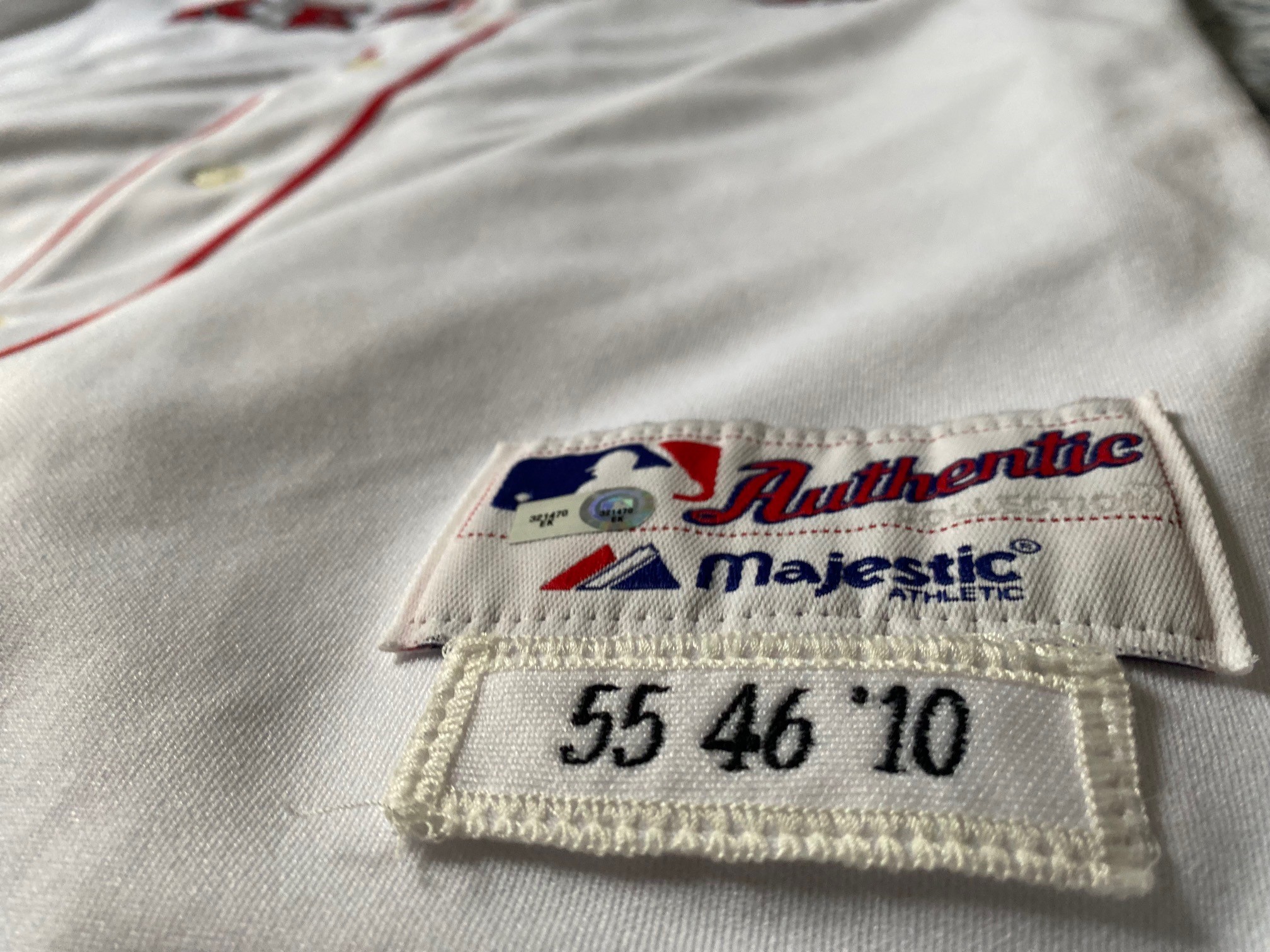
With Jeter memorabilia, provenance is not optional. A seller saying “game-used” is not enough. For serious money, I would want strong authentication, auction history, MLB authentication where possible, team or player provenance, photo matching if available, and a story that makes sense.
The difference between a signed Jeter jersey, a game-issued Jeter jersey, a game-worn Jeter jersey, and a photo-matched Jeter jersey from a specific playoff or World Series game is huge. Those are different markets. The same applies to bats, gloves, helmets, cleats, and other equipment.
What I Would Focus On
If I were buying Derek Jeter memorabilia, I would focus less on random signed items and more on objects with career relevance: rookie-year material, World Series material, game-used bats, rare gloves, photo-matched jerseys, helmets, or equipment from important seasons. The 1993 SP rookie card still matters, especially in high grade, but I would treat it as a card-market play, not the same thing as owning something Jeter actually used.
Jeter is one of the few 1990s baseball players whose memorabilia still feels structurally strong. The Yankees identity, championships, clean career image, and Hall of Fame status all help. But for serious money, the item still needs the right use, documentation, and story behind it.
This essay is part of Sports Memorabilia: The Ultimate Guide.