
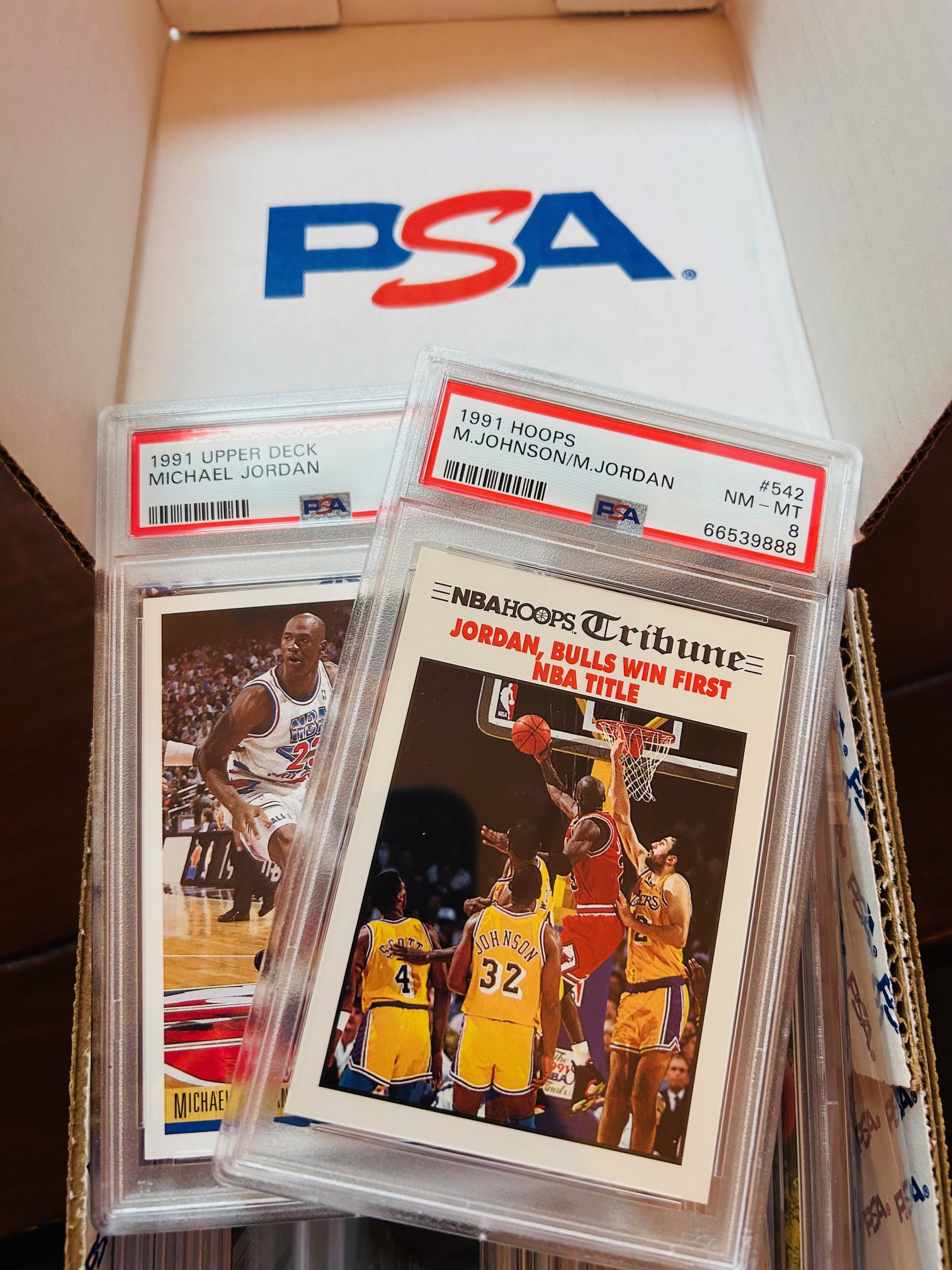
For many collectors, getting a strong PSA grade feels like winning. You send in cards you believe are clean, you get back nines and tens, and naturally you expect profit to follow. But that is not always how it works. A good grade does not automatically mean a good return.
This is one of the hardest lessons in sports card grading. Many collectors are not losing money because they are careless. They are losing money because they focus too much on the grade itself and not enough on the full math behind the submission.
If you want to grade cards profitably, you need more than luck and a sharp eye. You need a repeatable system, realistic expectations, and a strong understanding of cost, risk, and resale demand.
A PSA 10 Is Not a Business Model
One of the biggest mistakes collectors make is assuming that a PSA 10 guarantees profit. It does not. The grade is only one part of the equation.
You still have to account for the original purchase price, grading fees, shipping to and from PSA, selling platform fees, taxes, and the time it took to source and prepare the card. Once all of those expenses are included, a card that looked profitable on paper can quickly turn into a loss.
That is especially true with lower value modern cards. A card might only cost a few dollars raw, which makes it feel like a low risk submission. But if grading costs around $20 and the card only sells for $40 as a PSA 10, the margin disappears fast after fees. If that same card comes back a PSA 9, the loss can be even worse than the profit from the 10.
That is why many collectors end up with stacks of slabs that are technically graded well but financially make no sense.
The Database Mindset Changes Everything
If you want to understand whether you are actually making money, you need to track every card. A simple spreadsheet can completely change the way you grade.
A strong database should include the player, year, set, variation, card number, whether it is a rookie, whether it has an autograph, whether it was bought raw or graded, the purchase price, grading fees, lot number, sale price, and net profit after fees.
This kind of record keeping does two important things. First, it tells you the truth about your results. Second, it helps you identify patterns. You can see which types of cards work, which years perform best, which submissions were profitable, and where your strategy broke down.
Many collectors think they are doing better than they really are because they remember the big wins and forget the quiet losses. A database removes that illusion.
It also matters for taxes. If you sell on eBay or another marketplace, you need accurate records of your costs. Otherwise, you may end up paying tax on gross sales instead of net profit. That can turn a modest year into an expensive mistake.
Why Great Grades Still Lead to Bad Outcomes
A lot of losses happen before the cards ever reach PSA. The real problem is often poor card selection.
Some collectors send cards that need a PSA 10 just to break even. That is a dangerous place to be. If a card must gem in order to make sense financially, the margin for error is too small. One lower than expected grade can wipe out the profit from several other cards.
The better strategy is to buy cards where a PSA 9 still leaves you in a safe position. If a nine lets you break even or stay close to even, then the ten becomes upside rather than necessity. That kind of submission is far less stressful and far more sustainable.
This is where older, stronger cards often outperform cheap modern flips. A higher end vintage or semi vintage card may cost more upfront, but the grading math can be much healthier. If a nine still sells well and a ten creates major upside, the risk profile is much better than with a low end modern insert that has no room for error.
Not All Cards Should Be Graded
One of the clearest differences between average graders and top graders is that top graders know what not to submit.
Thicker cards are often poor grading candidates because they are more prone to corner damage, edge wear, and indentations. Very old cards can be risky because there is usually a reason they remained ungraded for years. Shiny cards can be full of subtle surface flaws that are easy to miss in photos but obvious under closer inspection.
Collectors also need to be careful with autographs. An autograph grade can help if the signature is perfect, but if the auto gets a nine while the card gets a ten, the value can actually suffer.
Smart grading is not just about spotting strong cards. It is about avoiding weak submissions that look tempting but do not hold up under scrutiny.
Gem Rate Matters More Than Most People Think
Another major concept many collectors overlook is gem rate.
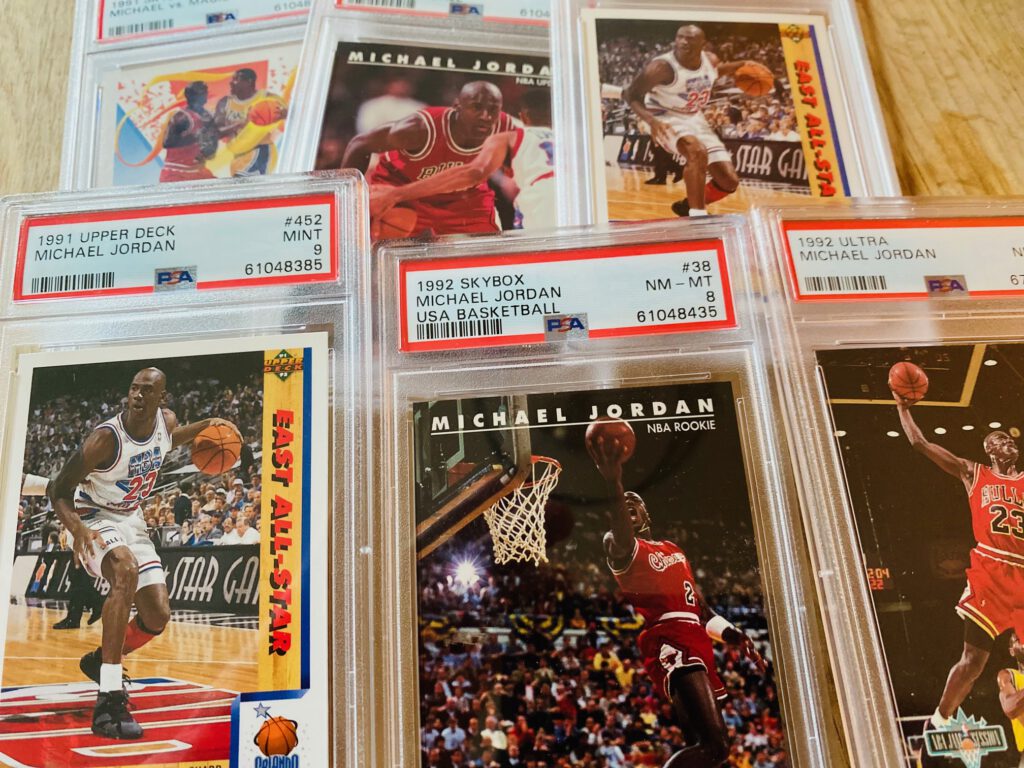
Gem rate tells you how often a particular card achieves a PSA 10. This is incredibly important because not all cards grade the same. Two cards may have similar raw prices and similar PSA 10 sale prices, yet one might gem 90 percent of the time while the other gems less than 30 percent of the time.
That difference changes everything.
If you consistently buy cards with low gem rates, your submission results will be volatile and frustrating. If you focus on cards with stronger gem rates, your grading outcomes become more predictable and profitable.
This does not mean you should blindly follow data. Judgment still matters. But understanding how a specific card performs in the grading population gives you a huge edge. It helps you stop guessing and start making decisions based on probability.
Pricing Tiers and the PSA Frustration Factor
There is also a separate issue that many collectors talk about less openly: grading tiers and upcharges.
PSA’s pricing structure can be confusing, especially when collectors try to estimate the declared value of a card before it is graded. Some collectors intentionally overvalue cards to avoid upcharges later. Others undervalue them, hoping PSA will let the submission pass through at a lower cost.
The frustration comes from the lack of consistency. A card might clearly belong in a higher tier if it grades a 10, but if PSA does not issue an upcharge, the submitter saves money. On the other hand, collectors who try to be conservative and fully honest from the start may end up paying much more than necessary, especially if the card grades lower than expected.
That creates a feeling that the system rewards risk taking while punishing caution.
Whether collectors agree with that approach or not, the broader point is clear. Grading cost matters enormously. If you are paying too much for the service relative to the potential outcome, your margins shrink before the card even comes back.
The eBay Reality Check
A harsh truth in the hobby is that many graded cards simply do not sell for enough to justify the process.
A large volume of PSA slabs on eBay sell at prices that barely cover grading fees, and many do not cover them at all. Once you factor in platform fees and the original cost of the card, the picture gets even worse.
This is especially common in modern mass submitted material. Too many collectors are sending in cards with weak resale ceilings, assuming that grading alone creates value. It does not. The market still decides what the card is worth, and the market can be unforgiving.
The result is a growing number of collectors who are technically doing everything right from a grading standpoint but still failing on the business side.
Liquidity Is Different From Value
Another common mistake is assuming that if a card has value, it also has liquidity.
That is not always true. A slab can look great, carry a solid comp, and still be difficult to sell. Not every card has a natural buyer waiting for it. If demand is weak, even a strong grade can leave you stuck holding inventory.
Before grading with the intention to sell, it helps to ask a simple question: who is the buyer? If you cannot clearly picture the person who would want the card and the price they would realistically pay, you may be grading for hope instead of for strategy.
That is fine for a personal collection. It is risky for a flip.
Friction Costs Eat More Profit Than People Realize
One reason collectors underestimate losses is that they ignore friction costs.
Shipping, insurance, marketplace fees, taxes, rejected submissions, raw cards that never make the cut, and the time spent managing it all can quietly destroy profit. Even if the spreadsheet says you made money on the slab itself, your overall return may look much weaker once the full picture is included.
This is why grading should be treated more like a long term numbers game than a quick win. Some submissions will perform very well. Others will disappoint. The goal is not perfection. The goal is to minimize bad risk and maximize strong opportunities over time.
A Better Rule of Thumb for PSA Submissions
If you want a practical way to reduce losses, there is one mindset shift that helps immediately.
Do not submit cards that only work if everything goes perfectly.
Instead, look for cards where the raw value is already meaningful relative to the grading fee. Look for cards where a PSA 9 is acceptable and a PSA 10 is excellent. Look for cards with strong demand, healthy gem rates, and realistic resale upside after all fees.
In simple terms, the card itself should carry most of the value, not the grading fee. If the grading fee represents too large a percentage of your total cost, the risk becomes hard to justify.
That is why many experienced graders prefer cards with stronger raw prices and better downside protection rather than chasing cheap lottery tickets.
Collecting and Investing Are Not the Same Thing
It is also important to separate collecting from investing.
It is perfectly okay to grade cards for personal enjoyment. Many collectors slab cards because they love the player, the set, or the memory attached to it. There is nothing wrong with that.
The problem begins when collectors expect investment style returns from emotional purchases. Joy and profit do not always move together. A card can be worth grading for your collection and still be a terrible financial decision.
Being honest about your goal makes the hobby much healthier. If a card is for your PC, enjoy it. If a card is for profit, run the numbers coldly.
Losing money with PSA even after getting good grades is not unusual. In fact, it is one of the most common experiences in the hobby.
The real issue is rarely the grade alone. It is usually a combination of poor card selection, weak margins, misunderstood fees, lack of data tracking, unrealistic expectations, and ignoring how the market actually behaves.
The collectors who do well over time are not simply better at spotting clean cards. They are better at thinking like operators. They track everything. They understand gem rate. They know their costs. They choose cards with room for error. And they do not confuse a great slab with a great business decision.
If you approach grading that way, you may still take losses from time to time. But you will stop being surprised by them. And that is where smarter collecting begins.

Leave a Reply