
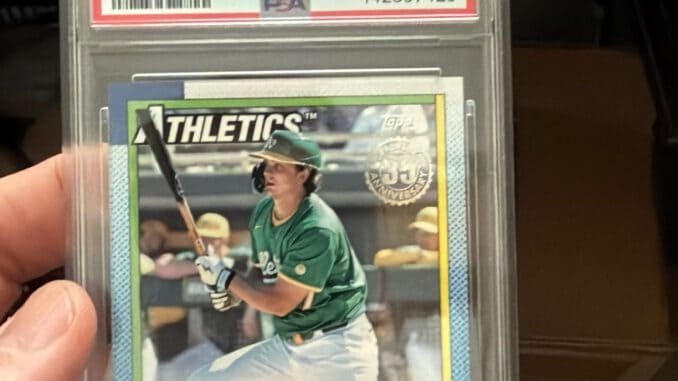
The goal of many investors and collectors is to achieve the highest possible grade for their cards. For collectors, this is obvious. A PSA 10 can significantly increase the value of a card. Even a PSA 9 or 8 can noticeably reduce its market appeal. A PSA 10 is often referred to as a GEM, and when submitting multiple cards, collectors talk about the GEM rate of a bulk submission.
Many of the factors PSA evaluates are determined at the factory. Corner sharpness, centering, and even scratches caused during production all influence the final grade. There is very little a card owner can do to fix these structural flaws. Attempting to “improve” them can result in the card being labeled as altered, which means PSA may refuse to assign a grade at all. This outcome can severely damage the card’s value.
However, submitters can still prepare their cards in a way that maximizes their chances. This is how.
Grading is not about hope, it is about discipline
Most collectors approach grading emotionally. They see a clean card, imagine a PSA 10, and submit based on that expectation. Experienced submitters think differently.
They understand that grading is a calculated decision based on probability, value, and risk. Before touching a microfiber cloth or opening a submission form, they ask a more important question. Does this card make sense to grade at all?
A simple framework helps:
• What is the card worth raw
• What is it worth as a PSA 9
• What is it worth as a PSA 10
If the entire submission only makes sense in a perfect outcome, the risk is high. If the card still holds value at a PSA 9, the decision becomes much more stable. Grading is not about chasing the best-case scenario. It is about understanding the most likely outcome.
PSA evaluates the card, not your effort
One of the most important realities to accept is that PSA does not care how carefully you handled the card or how much effort you put into preparation. The grader only evaluates what is in front of them. That means factory flaws matter more than anything you do afterward.
A card can be pulled straight from a pack and still fail to achieve a PSA 10 due to:
• Off centering
• Print lines
• Surface scratches
• Edge chipping
• Manufacturing defects
This is where many beginners struggle. They assume that pack fresh equals perfect. In reality, many modern cards come out of the pack with issues that already limit their grading ceiling.
Preparation is about removing avoidable flaws, not correcting built-in ones.
How Do You Actually Become a PSA Grader?
It’s one of those questions that keeps popping up in the hobby, and the answer is a bit frustrating at first. There’s no degree, no […]

2026 MLB Rookie Cards Guide: Top Prospects to Watch and Best Collector Strategies
We’ve never seen this much top 100 prospect talent on Opening Day rosters before, and for baseball card collectors, that’s a very good thing. The […]

Spencer Jones in Triple A: The Perfect Time to Invest in His Bowman Cards
Spencer Jones is quietly becoming one of the most intriguing names in the baseball card market. The towering New York Yankees outfield prospect has already […]
Cooper Flagg’s Rookie Card Market Explodes While His Base Card Tells a Different Story
The basketball card hobby is moving fast, and few names are hotter right now than Cooper Flagg. At just 18 years old, the Dallas Mavericks […]
Trading Card Popularity Shows No Signs of Slowing Down
The trading card market has experienced a remarkable resurgence since 2020, transforming from a niche hobby into a booming global industry. What was once driven […]
The four grading pillars decide everything
Every PSA grade is built on four core factors:
• Centering
• Corners
• Edges
• Surface
These are simple in theory but unforgiving in practice.
Centering is the first and most decisive filter
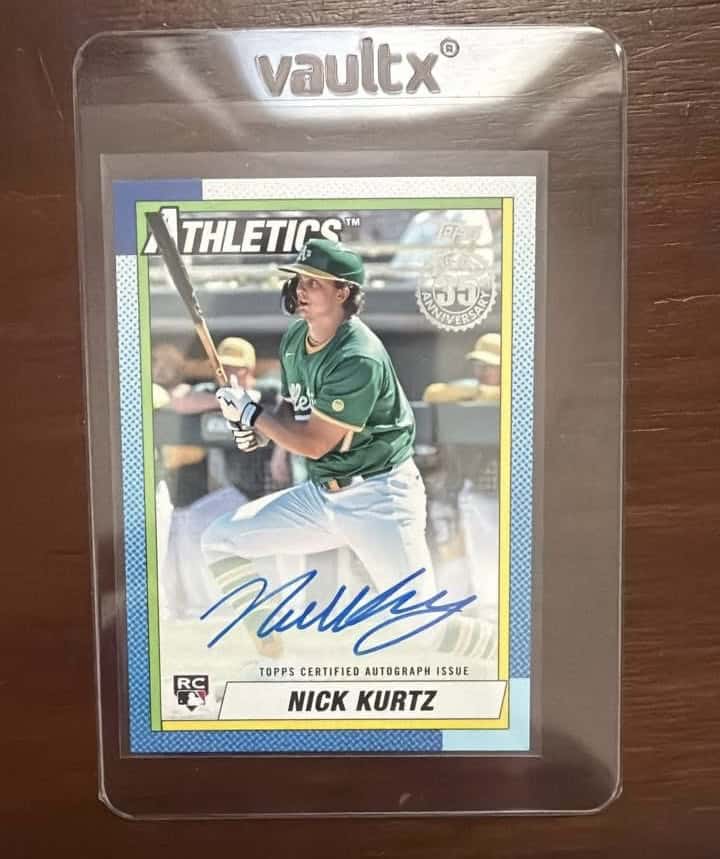
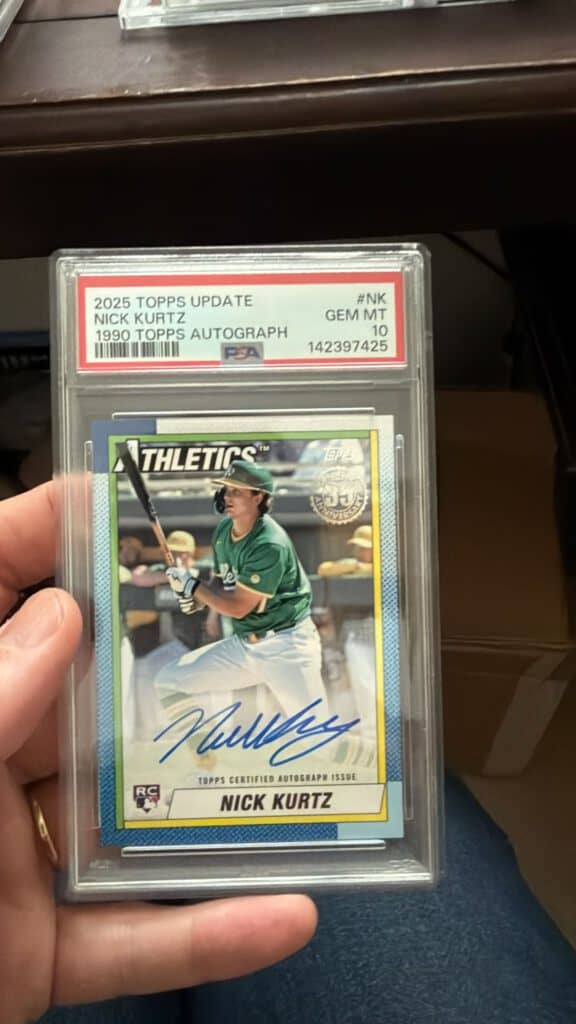
Centering is often the quickest way to rule out a PSA 10. It is one of the first things PSA graders learn, much to the frustration of collectors.
Many collectors only look at left to right balance. That is not enough. Top to bottom centering matters just as much. Some cards also suffer from slight tilting during production, which creates uneven borders even when the card looks balanced at first glance.
Modern designs can make this even harder. Borderless cards, inserts, and busy layouts can hide centering issues. This is why experienced collectors often compare their card to already graded PSA 10 examples. It creates a visual reference for how the card should look when properly centered.
If centering is clearly off, the rest of the card rarely compensates.
Corners reveal flaws immediately
Corners are one of the fastest ways to lose grade potential.
On vintage cards, wear is expected. Soft corners, fraying, and rounding are common. On modern cards, the issues are smaller but still critical. A tiny white mark on the back corner can be enough to drop a card from a 10 to a 9.
This is why both sides of the card must be inspected. Many collectors forget to check the back carefully. Dark backs in particular reveal even the smallest imperfections. Corners do not need to look heavily damaged. They only need to be less than perfect.
Edges are often flawed before you even receive the card
Edges are frequently overlooked because collectors assume damage comes from handling. In many cases, edge issues are caused during production.
Common problems include:
• Minor chipping
• Rough cuts
• Foil flaking
• Uneven edges
These flaws are especially visible on modern chrome cards and dark bordered designs. Even if the card looks clean overall, poor edge quality can prevent a top grade. Thick cards and patch cards are even more vulnerable. Additional cuts and layers create more opportunities for imperfections.
Surface issues are often invisible at first glance
Surface is the most deceptive category.
Under normal lighting, a card can appear flawless. Under stronger light or when tilted, hidden flaws become visible. These include fingerprints, scratches, print lines, scuffs, or even small indents. This is why serious submitters never inspect a card just once. They rotate it, change the angle, and check it under different lighting conditions. If you only inspect casually, you are guessing.
What preparation can actually achieve
Preparation has a clear purpose. It ensures the card is clean and safely handled before submission. It does not improve the structural condition of the card. The safe preparation process focuses on removing:
• Fingerprints
• Dust
• Loose surface residue
Anything beyond that introduces risk.
Trying to remove scratches, polish the surface, or use chemical solutions can cross into alteration. If PSA detects that, the card may not receive a grade at all. The most important rule is simple. Do no harm.
How to handle the card safely
Many cards are damaged during preparation, not during collecting. A proper setup reduces that risk significantly.
Start with a clean, flat surface. Any small particle underneath the card can cause damage when pressure is applied. Some collectors place clean paper on top of the workspace to create an additional protective layer.
When handling the card:
• Hold it by the edges
• Avoid touching the surface
• Use gentle, controlled movements
If you wipe the card, always move in a way that avoids catching the corners. A single mistake here can permanently damage the card. Gloves can help reduce fingerprints, especially on chrome cards. Clean hands with careful handling can work as well. The key is consistency and awareness.
Packaging is part of the grading process
Once the card is prepared, protection during shipping becomes critical. PSA requires semi rigid holders for standard submissions, not top loaders. The card should be placed in a penny sleeve first, then carefully inserted into the semi rigid holder. From there, the goal is stability.
The cards should not move inside the package. They should not slide, shake, or bend during transit. A well-packed submission protects against external pressure and internal movement.
A good packaging setup includes:
• Secure grouping of cards
• Structural support using cardboard
• Cushioning with bubble wrap
• Tight packing to prevent movement
If the cards shift inside the box, you are introducing risk.
Organization matters more than most people think
PSA processes submissions based on the order entered online. This means the physical order of your cards should match your digital submission exactly. If you submit multiple groups, they should be clearly organized and labeled. Poor organization can slow down processing and increase the chance of mistakes. A clean submission is not just safe. It is easy to understand.
Declared value is not just a formality
Declared value plays a bigger role than many collectors realize.
It affects:
• Service level eligibility
• Return shipping cost
• Insurance coverage
• Potential upcharges
If the final graded value exceeds the service tier you selected, PSA may increase the fee.
Declaring value too low to save money can backfire. Declaring value based on unrealistic expectations can also create problems. A disciplined submitter uses realistic estimates, not optimistic guesses.
Thick cards require different expectations
Thick cards behave differently in grading. Patch cards, memorabilia cards, and complex designs often have more edges, more layers, and more opportunities for flaws. Even well-prepared cards may not achieve a PSA 10.
This does not mean they should not be graded. It means expectations must be realistic. A PSA 9 on a thick card can be a strong result. Treating anything below a 10 as failure leads to poor decision-making and unnecessary frustration.
The mindset that improves your GEM rate
The most important shift in grading is mental.
Instead of asking if a card can be a 10, experienced submitters ask what could go wrong.
This mindset leads to better decisions:
• More honest evaluation
• Better card selection
• Safer handling
• Stronger packaging
• More consistent results
It does not guarantee a perfect grade, but it reduces avoidable mistakes. Most grading failures are not caused by bad luck. They are caused by poor judgment.
Collectors submit cards that were never strong enough. They overlook centering issues. They inspect under poor lighting. They handle the card too aggressively. They package loosely. They expect perfection from cards that were imperfect from the start.
The collectors who consistently achieve better results are not necessarily luckier. They are more disciplined.
You cannot fix factory centering. You cannot remove structural flaws without risk. But you can control your process.That is what separates random submissions from professional ones. And that is how better grading results are built.
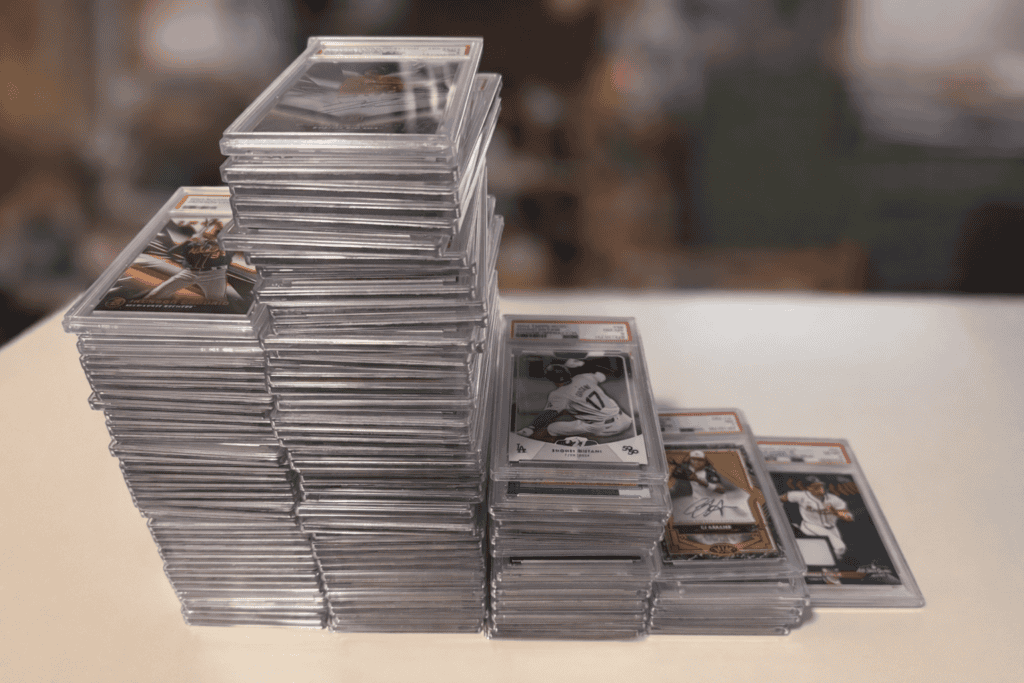
P.S.: This is my latest return from PSA. The GEM rate is not quite where it should be yet. On the far left are the PSA 10s, the tallest stack is PSA 9s, and so on.

Leave a Reply